
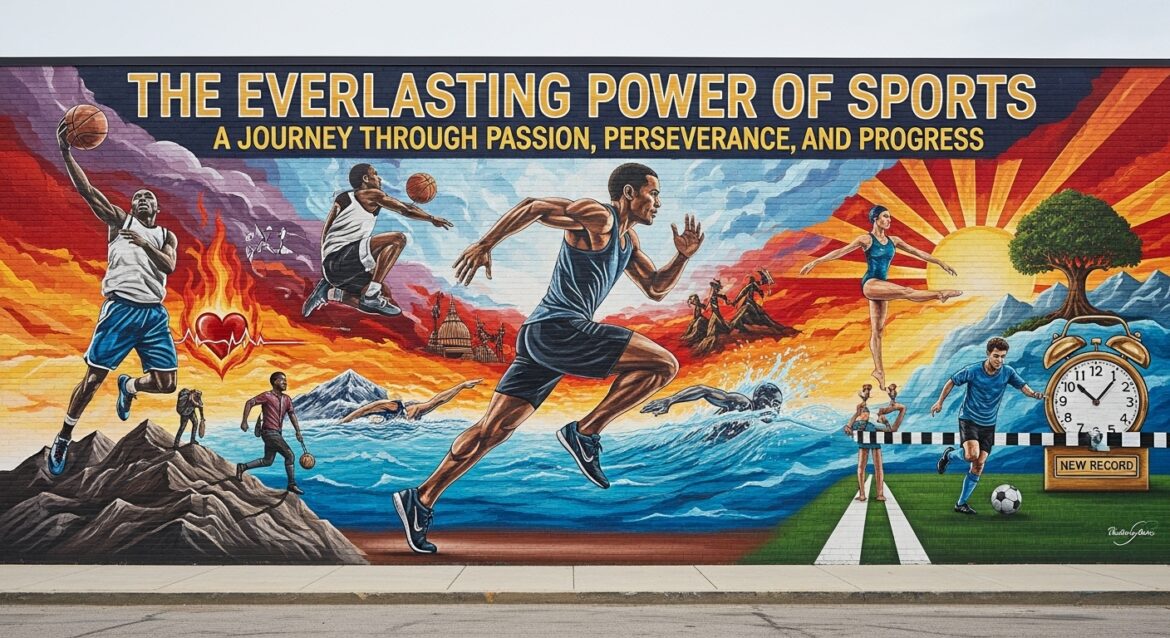
Introduction to the Power of Sports
Sports have been an integral part of human civilization for thousands of years. From the ancient Olympic Games in Greece to the global sporting events of today, sports have united people across borders, languages, and cultures. They represent more than just competition; they embody the spirit of teamwork, perseverance, and discipline. Whether it’s a child playing football in a dusty street, an athlete training tirelessly for the Olympics, or fans cheering passionately for their favorite teams, sports touch lives in unique ways. They are a universal language that transcends barriers and brings out the best of human potential.
The Historical Evolution of Sports
The history of sports is as old as civilization itself. In ancient times, sports were closely linked to military training and religious rituals. The Greeks organized athletic competitions to honor their gods, with events like wrestling, running, and discus throwing becoming early symbols of excellence. The Romans adapted these traditions, creating gladiatorial games that showcased physical strength and bravery.
As societies evolved, sports began to reflect social structures and cultural values. Medieval Europe saw the rise of jousting tournaments and archery contests, while ancient Asian civilizations embraced martial arts and games of strategy. Over centuries, sports transitioned from being primarily about survival and status to becoming organized entertainment and international competition. The 19th and 20th centuries marked a major shift as formal rules, federations, and global competitions like the modern Olympics were introduced, giving sports the structure we recognize today.
The Role of Sports in Modern Society
In the modern world, sports have become a social, economic, and cultural force. They influence how people live, work, and interact. Sporting events like the FIFA World Cup, the Olympic Games, and the Cricket World Cup capture the attention of billions of viewers, uniting nations in shared excitement.
Beyond entertainment, sports play a key role in promoting health, encouraging youth development, and inspiring values like discipline, teamwork, and integrity. Schools and universities around the world recognize sports as essential for holistic education, nurturing not just the body but also the mind. Moreover, sports contribute significantly to national economies through tourism, sponsorships, and broadcasting rights, creating jobs and inspiring industries from fashion to technology.
The Spirit of Competition and Teamwork
At the heart of every sport lies competition, but true sportsmanship extends beyond victory or defeat. Athletes compete not only against opponents but also against their own limitations. The sense of teamwork, camaraderie, and collective effort that sports foster can teach lessons far beyond the playing field.
Team sports like football, basketball, cricket, and hockey emphasize collaboration and communication. Every player has a role, and success depends on trust and coordination. Even individual sports like tennis, athletics, and swimming require immense support systems, from coaches to family members. This interconnectedness makes sports a profound metaphor for life itself — success achieved through cooperation and relentless effort.
The Emotional Connection Between Fans and Sports
One of the most remarkable aspects of sports is the emotional bond it creates between athletes and fans. Supporters identify deeply with their favorite teams and players, feeling joy in their triumphs and pain in their losses. For many, sports are not just games but part of their identity.
Cities come alive when their teams play, and entire nations pause to watch crucial matches. Fans wear team jerseys, paint their faces, and chant anthems, transforming stadiums into vibrant seas of emotion. This shared enthusiasm forms communities, where people from diverse backgrounds come together, united by a common passion. The relationship between fans and sports is built on loyalty, memory, and hope — it’s what makes moments like a last-minute goal or a record-breaking sprint unforgettable.
The Physical and Mental Benefits of Sports
Engaging in sports provides profound health benefits. Physically, it strengthens muscles, improves cardiovascular health, enhances coordination, and boosts endurance. Regular participation in sports helps combat lifestyle diseases such as obesity, diabetes, and hypertension.
Equally important are the mental health benefits. Sports encourage the release of endorphins, often called “happiness hormones,” which reduce stress and anxiety. They also foster resilience and mental toughness, teaching individuals to cope with failure and setbacks. Many athletes develop strong self-discipline, focus, and confidence through sports, qualities that translate effectively into academic and professional success.
Youth and Sports: Building the Next Generation
Youth sports play a crucial role in shaping the character and future of young people. Through sports, children learn essential life lessons — teamwork, leadership, patience, and respect. Participation also gives them a sense of belonging and purpose.
In many communities, sports serve as a powerful tool for social development. They keep youth engaged, steering them away from negative influences. For underprivileged children, sports can open doors to education and career opportunities. Programs promoting grassroots sports have produced global icons who inspire millions, showing that talent, when nurtured, can rise from any corner of the world.
Women in Sports: Breaking Barriers and Inspiring Generations
The journey of women in sports has been one of courage and resilience. For centuries, women were excluded from competitive sports, confined by social norms and stereotypes. But over time, determined athletes broke those barriers, proving that talent and passion know no gender.
Today, female athletes like Serena Williams, Simone Biles, Megan Rapinoe, and many others have redefined what it means to be champions. Women’s leagues and tournaments have gained global recognition, inspiring young girls to dream without limitations. The rise of women’s sports not only promotes gender equality but also reshapes perceptions of strength, grace, and determination.
Technology and Innovation in Sports
The digital age has revolutionized every aspect of sports. Technology has transformed how athletes train, how fans watch, and how teams strategize. High-speed cameras, wearable trackers, and data analytics have made performance analysis more precise than ever.
Virtual reality and simulation tools allow athletes to improve their techniques safely, while advanced equipment and materials enhance speed, safety, and endurance. Even refereeing has evolved with innovations like the Video Assistant Referee (VAR) system and goal-line technology, ensuring fairer outcomes. Social media and streaming platforms have brought fans closer to the action, creating new forms of engagement that were once unimaginable.
Economic Impact of Sports
Sports are not just games; they are a massive global industry. From ticket sales and merchandise to broadcasting rights and sponsorship deals, the business of sports generates billions of dollars each year. Cities compete to host major sporting events, knowing they can boost tourism, create jobs, and elevate global visibility.
Athletes themselves have become brands, endorsing products and influencing global markets. Sports apparel companies, nutrition brands, and even technology firms collaborate with sports icons to promote their products. The economic ripple effect of sports is vast, extending from local vendors near stadiums to multinational corporations.
Sports and National Identity
Sports have the power to represent and reinforce national pride. When a country wins an international championship, it becomes a moment of unity and celebration. Sporting heroes often become symbols of national identity, embodying the hopes and dreams of millions.
For example, a World Cup victory or an Olympic gold medal can uplift an entire nation, bringing joy and a sense of collective achievement. These moments transcend political or social divides, proving that sports can act as a unifying force even in challenging times.
Challenges in the World of Sports
Despite its many positives, the world of sports faces challenges. Issues such as corruption, doping, match-fixing, and unequal opportunities still exist. Commercialization sometimes overshadows the true essence of sportsmanship, turning games into spectacles driven more by profit than passion.
Additionally, the pressure to succeed has taken a toll on athletes’ mental health. The constant scrutiny from media and fans can be overwhelming. There is a growing need for systems that prioritize athletes’ well-being, ensuring that sports remain a source of joy rather than anxiety. Promoting integrity, fairness, and respect is essential for preserving the purity of competition.
The Role of Sports in Promoting Peace and Unity
Throughout history, sports have often served as a bridge between nations. Events like the Olympics embody the idea of peaceful competition, where athletes from around the world come together in harmony. Sporting diplomacy has played key roles in easing political tensions, fostering understanding, and encouraging collaboration.
Moments such as the handshake between players of rival nations or joint participation in events symbolize hope and reconciliation. Sports can achieve what politics often cannot — bringing people together under a common banner of respect and mutual admiration.
Environmental Awareness and Sustainability in Sports
In recent years, sports organizations have begun addressing environmental concerns. Stadiums are being built with sustainable materials, and events are implementing eco-friendly practices. The connection between sports and nature is undeniable, especially in outdoor activities like hiking, surfing, and cycling.
Promoting sustainability in sports ensures that future generations can continue to enjoy these activities without harming the planet. Athletes and teams have also become advocates for environmental causes, using their influence to raise awareness and inspire change.
The Future of Sports: Trends and Possibilities
The future of sports looks promising and dynamic. Esports, for instance, has emerged as a new frontier, blurring the lines between gaming and traditional competition. Virtual sports and online leagues attract millions of viewers, especially among younger audiences.
Furthermore, advancements in biotechnology may soon push human performance to new limits. Sports will continue evolving with technology, but the human element — passion, courage, and emotion — will always remain at its core. As global connectivity increases, we can expect new formats, inclusive opportunities, and exciting experiences for fans and athletes alike.
Inspirational Stories from the World of Sports
Every sport is filled with tales of triumph against adversity. Athletes like Michael Phelps, Lionel Messi, Usain Bolt, and Novak Djokovic have not only achieved greatness but also inspired millions through their dedication. Similarly, athletes who overcome physical disabilities or social barriers remind us that the true victory lies in perseverance, not just medals.
These stories remind us that success is not handed over but earned through sweat, sacrifice, and self-belief. Whether it’s a local hero or a global superstar, every athlete’s journey carries lessons that go beyond the playing field.
The Cultural Significance of Sports Around the World
Sports reflect the diversity of cultures across the globe. Cricket thrives in South Asia, football dominates Europe and South America, basketball has become a global phenomenon, and martial arts connect deeply with Asian traditions. Each sport carries its own history, traditions, and fan culture, representing the identity of its followers.
Local games like Kabaddi, Rugby, Baseball, and Ice Hockey highlight how sports adapt to geography and community. These games preserve heritage while promoting unity, reminding us that every region contributes uniquely to the global sports landscape.
Conclusion: Sports as a Celebration of Humanity
In the end, sports are much more than physical contests. They are a celebration of human spirit, determination, and unity. From grassroots participation to grand international arenas, sports connect us in ways few other things can. They teach us to dream, to fight, to respect others, and to rise even after falling.
No matter how much technology changes or how societies evolve, the essence of sports will remain timeless. It is the heartbeat of competition, the joy of participation, and the pride of achievement. Sports remind us that in the game of life, effort, respect, and passion are the true victories.