
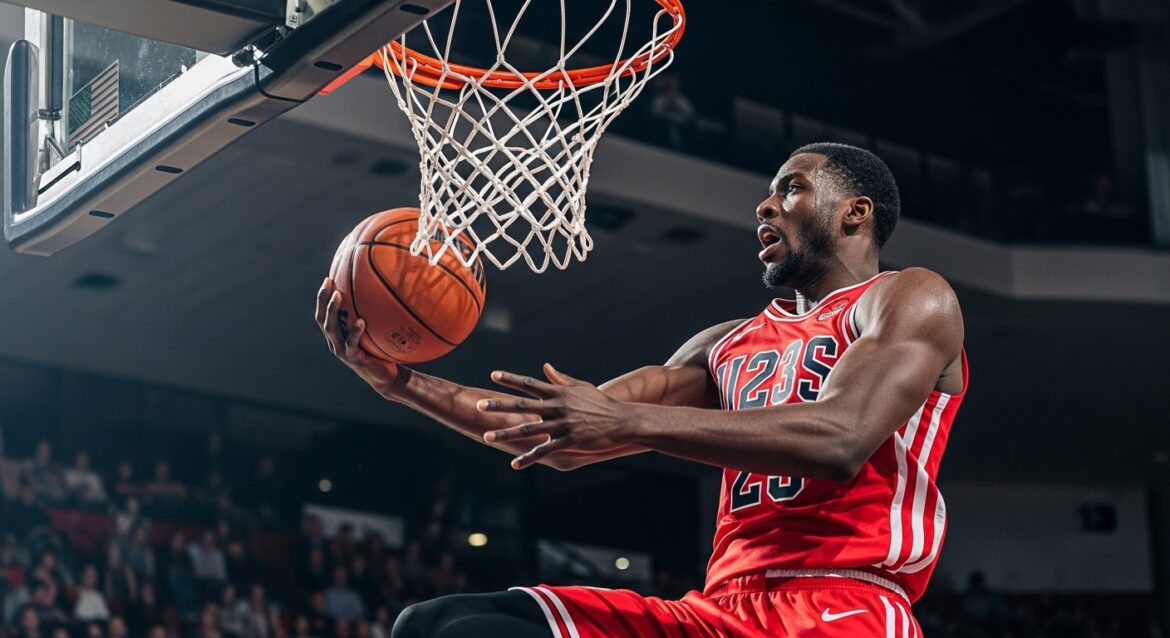
Introduction: The Essence of Sports
Sports have always been more than just a means of entertainment. Whether it’s the rush of watching a football match, the thrill of a last-minute goal, or the quiet satisfaction of a perfectly executed tennis serve, sports offer something much deeper. They serve as a universal language that brings people together, cultivates discipline, and fosters emotional growth. In a world constantly racing against time, sports provide a rare, unifying force that can cut across barriers, be they cultural, social, or personal.
The Psychological Benefits of Playing Sports
When most people think about sports, they imagine physical exertion, competition, and skill development. But the psychological benefits are just as profound. Regular participation in sports can significantly reduce stress levels. Engaging in physical activity releases endorphins, the body’s natural “feel-good” hormones. This explains why athletes often experience heightened moods after a good game or workout.
Furthermore, sports teach valuable lessons about resilience. Losing a match can be disheartening, but overcoming that loss and training for the next opportunity helps to build mental toughness. Over time, athletes learn how to handle setbacks, a skill that proves invaluable in all areas of life.
The Social Impact of Sports
Sports transcend borders. They have a unique ability to unite people from diverse backgrounds. Whether it’s a local youth league or a global competition like the Olympics, sports provide a platform where people can connect. The shared passion for a team or a sport creates a sense of belonging, even among strangers. This camaraderie fosters community spirit and can pave the way for stronger social ties.
On a larger scale, sports can also act as a powerful tool for social change. Movements like the civil rights protests by athletes or the growing inclusion of women in sports reflect the ways in which sports have been used to challenge societal norms and bring about positive change.
The Lifelong Learning Curve
Sports are often seen as activities for the young and physically fit. However, they can be a source of lifelong growth and learning. It doesn’t matter if you’re 5 or 50—there is always something new to learn. Whether it’s perfecting a technique or improving one’s mental game, sports offer endless opportunities for personal growth.
Take the example of learning a new sport later in life. It’s not just about physical improvement but about learning how to be patient with oneself, how to embrace challenges, and how to stay motivated despite obstacles. The lessons learned in sports, especially those that require consistent practice, can directly translate to other areas of life, including work and relationships.
The Role of Sports in Health and Wellness
In today’s fast-paced world, maintaining a healthy lifestyle can be difficult. Yet, sports provide a fun and engaging way to stay active. Whether it’s running, swimming, cycling, or playing a team sport, these activities not only improve physical health but also enhance overall well-being.
Exercise through sports improves cardiovascular health, strengthens muscles and bones, and boosts immune function. More importantly, regular participation helps combat the growing epidemic of sedentary lifestyles and chronic diseases. Sports also promote better sleep, more energy during the day, and improved cognitive function—all vital for a balanced life.
The Economic and Global Impact of Sports
Sports have a profound impact on the global economy. From major international tournaments like the FIFA World Cup or the NBA Finals to local sports leagues, the financial ripple effect of sports is immense. The sports industry generates billions of dollars in revenue, providing jobs in numerous sectors, from athletes and coaches to marketing professionals, event organizers, and beyond.
Sports tourism, sponsorships, and media rights deals contribute significantly to national economies, and large-scale sporting events often bring both economic and social benefits to host cities and countries. On a global scale, sports act as a vehicle for international diplomacy, offering a platform for countries to engage in peaceful competition and celebrate unity.
Conclusion: Sports as a Catalyst for Growth
At their core, sports are about more than just winning or losing—they are a microcosm of life itself. They teach us about persistence, patience, teamwork, and respect. Whether on the field, in the gym, or simply as a spectator, the lessons derived from sports can shape individuals and societies in profound ways. As we continue to navigate an increasingly complex world, the values embedded in sports will remain an essential part of personal and communal growth.
So, the next time you watch a game or step onto the court, remember that sports are not merely about the competition. They are about building a better, healthier, and more connected world.