
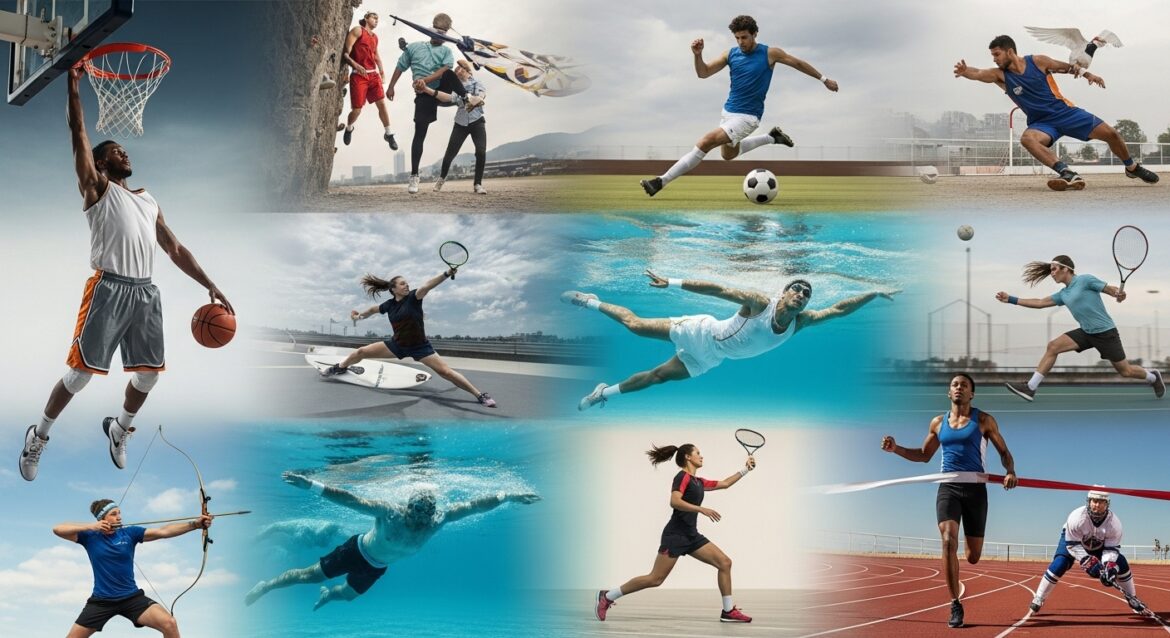
Sports are often seen as a form of entertainment, a way to pass the time or even a path to fame and fortune. However, their influence extends far beyond these superficial aspects. From promoting physical health to forging social bonds and inspiring future generations, the power of sports is undeniable. In this blog, we’ll explore how sports play a transformative role in shaping individuals, communities, and societies.
The Physical Benefits: A Path to Health and Wellness
At the core of sports is the emphasis on physical activity, and this is where their most obvious benefits lie. Engaging in sports enhances cardiovascular health, improves muscle strength, and boosts flexibility. Whether it’s a casual jog, a game of basketball, or intense training in the gym, the effects on the body are profound.
Sports help to fight off many lifestyle-related diseases such as obesity, diabetes, and hypertension. For children, sports provide essential opportunities to develop motor skills, coordination, and agility. But it’s not just about staying fit; it’s about improving the quality of life. Regular participation in sports can boost energy levels, improve sleep, and increase overall vitality, ensuring that the body remains in top form.
Moreover, for adults, sports often become a lifelong habit that counters the sedentary lifestyle many people adopt due to work or personal commitments. It’s an opportunity to unwind, reset, and improve one’s mental and physical state all at once.
Mental Health and Emotional Well-being Through Sports
While physical fitness is an obvious benefit, sports also have significant mental health benefits. Exercise, especially through sports, promotes the release of endorphins, the body’s natural mood boosters. This chemical boost helps reduce stress, anxiety, and depression, creating a sense of happiness and calm.
The structure of competitive sports provides mental challenges as well, teaching players how to handle failure, deal with pressure, and maintain focus under stress. Whether winning or losing, sports provide lessons in resilience and determination. Many athletes describe the “flow state”—a moment when one is fully immersed in the game—as a form of mental clarity and peace, something that can’t be easily replicated elsewhere.
Additionally, sports encourage mindfulness. A basketball player focuses intently on the court, a runner tunes into their breathing, and a swimmer synchronizes every stroke. This mindfulness is not only beneficial for improving performance but also aids in developing mental discipline and focus, which can be applied to other areas of life.
Building Connections: The Social Impact of Sports
One of the most powerful aspects of sports is their ability to bring people together. Whether it’s a local soccer game, a high school rivalry, or an international competition, sports foster a sense of community and shared identity.
On the field, team sports teach cooperation, trust, and communication. They encourage people to work toward a common goal, setting aside personal differences for the sake of the team. This sense of unity extends beyond the players to the fans, as sports often become a bridge that connects individuals from different backgrounds, cultures, and walks of life. Sports give people something to rally around, something to celebrate together.
At a grassroots level, sports also help reduce social isolation, especially in communities where access to other forms of recreation may be limited. Participating in sports provides individuals with opportunities to interact, form friendships, and strengthen social networks. This sense of belonging is vital for building cohesive, resilient communities.
Sports and Education: Life Skills in Action
The lessons learned in sports are not just about improving physical abilities; they also instill important life skills. Sports serve as a dynamic classroom where players can learn about teamwork, leadership, discipline, and goal-setting.
In educational settings, students who participate in sports often experience improved academic performance. The discipline and time-management skills learned through sports are directly applicable to their studies. Sports require a commitment of time, effort, and focus—traits that students also need to succeed in school. Furthermore, sports promote qualities like perseverance, problem-solving, and the ability to deal with setbacks, all of which are invaluable in academics and beyond.
For young people, involvement in sports can be a positive outlet for energy, preventing negative behaviors such as substance abuse or violence. It offers a structure and routine that can keep them on the right path while providing a sense of accomplishment and purpose.
The Economic Influence: Sports as an Industry
While sports are often seen as a form of entertainment, their economic impact is substantial. The sports industry, which includes professional leagues, broadcasting rights, merchandise sales, sponsorships, and tourism, is worth billions of dollars worldwide. Major sports events, such as the World Cup or the Olympics, generate massive revenue and contribute significantly to the global economy.
Moreover, local economies benefit greatly from sports at the grassroots level. Local sports clubs, youth leagues, and recreational centers create jobs, foster business growth, and bring people together in ways that boost the community’s economy. Sporting events, both big and small, provide revenue from ticket sales, concessions, and even tourism, making sports an important economic driver.
The influence of sports on the economy also extends to related industries such as apparel, fitness equipment, and media. From the production of sports gear to the broadcasting of games, the interconnected nature of the sports world creates a ripple effect that supports countless jobs and industries.
Inspiring the Next Generation: Role Models and Aspirations
The impact of sports extends far beyond the athletes themselves. Professional athletes often become role models for young people, providing them with someone to look up to. The dedication, hard work, and perseverance shown by these athletes offer young people tangible examples of what can be achieved through commitment and resilience.
But the influence goes deeper than just the top-tier athletes. Local sports heroes—whether they are school players or neighborhood champions—serve as accessible and relatable role models. They show young people that greatness doesn’t always come from fame but from the willingness to put in the work, improve consistently, and push through challenges.
In this way, sports provide hope. They teach children and young adults that success is a product of effort and determination, not luck. Whether or not these young people go on to play professionally, the values and lessons they learn from sports will guide them throughout their lives.
The Future of Sports: Embracing Technology and Inclusion
The future of sports is rapidly evolving, with technology playing an increasing role in both how we experience and participate in sports. Virtual reality, augmented reality, and AI are becoming more integrated into training, fan engagement, and performance analysis. These innovations are not only enhancing the experience for athletes but also for fans, offering new ways to connect with the games they love.
Additionally, there is a growing emphasis on making sports more inclusive. Women’s sports are gaining more attention, investment, and visibility, while adaptive sports for individuals with disabilities continue to grow. The push for greater inclusivity in sports is fostering a more equitable environment where anyone, regardless of gender, race, or ability, can participate and excel.
As the sports world continues to embrace these changes, we can expect to see an even greater global reach, as new technologies and inclusive practices make sports more accessible and engaging for everyone.
Conclusion: The Enduring Power of Sports
Sports are far more than just games played on fields and courts. They have the power to transform individuals, unite communities, and impact economies. From physical health benefits to the development of life skills, sports teach us the values of hard work, discipline, and resilience. They foster connections, provide role models, and offer a platform for social change.
In a world that is constantly evolving, sports remain a constant source of inspiration, hope, and unity. Their impact is felt not just by athletes, but by everyone—whether they are players, fans, or bystanders. Sports will continue to shape the world in ways we may not even fully realize yet, proving that the power of sport is not just in the game, but in everything it represents.