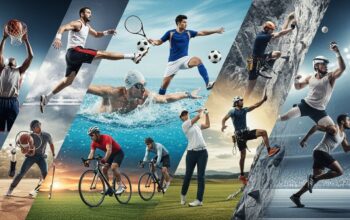

Sports have been an integral part of human civilization for centuries. From ancient Olympic Games in Greece to the modern global sports events we celebrate today, sports have continuously played a crucial role in shaping culture, health, and society. But what makes sports so universally loved? Why do people dedicate their lives to playing, watching, and supporting sports? This guide delves into the multifaceted world of sports, exploring its types, benefits, societal impact, and much more.
What Are Sports?
At its core, sports are physical or mental activities that involve skill, competition, and entertainment. While physical sports require strength, endurance, or agility, mental sports test cognitive abilities, strategy, and decision-making. Sports can be played individually or in teams, competitively or recreationally, professionally or casually. The essence of sports lies in improving oneself, testing limits, and enjoying the thrill of competition.
Characteristics of Sports
Sports share several key characteristics that distinguish them from other forms of recreation:
- Physical Activity: Most sports involve movement, physical exertion, and fitness.
- Skill and Training: Athletes develop specific skills and techniques to excel.
- Competition: Sports often involve competing against others or oneself.
- Rules and Regulations: All sports have clearly defined rules that ensure fairness.
- Entertainment Value: Sports captivate audiences and engage communities.
History of Sports
The history of sports dates back thousands of years. Ancient civilizations practiced games for religious, military, and recreational purposes.
- Ancient Greece: The Greeks established the first Olympic Games in 776 BC, which included events like running, wrestling, and chariot racing. Sports were seen as a way to honor gods and demonstrate physical excellence.
- Ancient Rome: Romans enjoyed gladiatorial contests, chariot races, and ball games. Entertainment and public spectacle were the primary focus.
- Medieval Era: Knights engaged in tournaments, jousting, and archery competitions, often showcasing strength, skill, and valor.
- Modern Era: The 19th and 20th centuries saw the formalization of sports, standardization of rules, and the creation of professional leagues worldwide.
Sports have evolved from simple physical challenges to complex global events that influence politics, economy, and culture.
Types of Sports
Sports can be broadly categorized into several types based on the skills involved, nature of competition, and physical demands.
1. Team Sports
Team sports involve groups of players working together to achieve a common goal. Team coordination, strategy, and cooperation are key elements. Examples include:
- Football (Soccer): The most popular sport globally, requiring skill, stamina, and teamwork.
- Basketball: A fast-paced game emphasizing agility, shooting accuracy, and collaboration.
- Cricket: A sport combining patience, skill, and strategic planning.
- Hockey: Played on ice or turf, demanding speed, coordination, and teamwork.
2. Individual Sports
Individual sports focus on personal performance, discipline, and self-motivation. Examples include:
- Tennis: Requires agility, precision, and tactical thinking.
- Athletics: Includes running, jumping, and throwing events testing speed, strength, and endurance.
- Swimming: Enhances cardiovascular health and builds muscle strength.
- Gymnastics: Combines flexibility, strength, and artistry.
3. Combat Sports
Combat sports test strength, strategy, and reflexes in a controlled competitive environment. Examples include:
- Boxing: A test of strength, endurance, and technique.
- Wrestling: Focuses on grappling skills and tactical control.
- Martial Arts: Includes disciplines like Judo, Karate, and Taekwondo, emphasizing self-discipline, defense, and skill development.
4. Adventure and Extreme Sports
Adventure sports challenge individuals to overcome physical and mental barriers in natural or risky environments. Examples include:
- Rock Climbing: Tests endurance, strength, and problem-solving.
- Skydiving: Requires courage and skill to navigate the skies safely.
- Surfing: Combines balance, agility, and a connection with nature.
- Paragliding: Offers thrill and mental focus while soaring above landscapes.
5. Mind Sports
Mind sports focus on cognitive abilities, strategy, and decision-making rather than physical exertion. Examples include:
- Chess: A strategic game testing intellect and foresight.
- Poker: Combines probability, psychology, and strategy.
- Bridge: A card game demanding memory, planning, and teamwork.
Benefits of Sports
Sports are not just entertainment; they provide a wealth of benefits for physical, mental, and social well-being.
Physical Benefits
- Improves Fitness: Sports enhance cardiovascular health, muscle strength, and overall endurance.
- Controls Weight: Regular participation helps burn calories and maintain a healthy weight.
- Boosts Immunity: Physical activity strengthens the immune system, reducing the risk of illness.
- Enhances Flexibility and Coordination: Activities like gymnastics or yoga improve balance, agility, and coordination.
Mental Benefits
- Reduces Stress: Physical activity releases endorphins, which act as natural mood elevators.
- Improves Focus and Discipline: Sports demand concentration, patience, and structured training.
- Boosts Confidence: Achievements in sports instill self-esteem and a sense of accomplishment.
- Encourages Strategic Thinking: Many sports require tactical decision-making and problem-solving skills.
Social Benefits
- Teamwork and Cooperation: Team sports teach communication, collaboration, and conflict resolution.
- Builds Community: Sports events foster social interaction, bonding, and a sense of belonging.
- Promotes Cultural Exchange: International sports events bring together people from diverse backgrounds.
- Encourages Sportsmanship: Playing fair, respecting opponents, and handling victories and losses gracefully are core values in sports.
Sports and Education
Sports play a vital role in education by complementing academic learning with physical and emotional development. Schools and universities integrate sports programs to:
- Encourage healthy lifestyles.
- Develop leadership skills.
- Instill discipline and time management.
- Promote teamwork and collaborative problem-solving.
Participation in sports from a young age creates a foundation for lifelong fitness, resilience, and emotional intelligence.
Sports and Technology
Modern technology has revolutionized sports in several ways:
- Performance Tracking: Wearable devices monitor heart rate, calories burned, and movement efficiency.
- Data Analytics: Teams analyze performance data to optimize strategy and training.
- Virtual Reality Training: VR simulations allow athletes to practice scenarios without physical risks.
- Broadcasting: Technology enables fans worldwide to watch live events, enhancing engagement and fan culture.
Global Impact of Sports
Sports have a profound influence beyond individual players and fans, impacting society, economy, and international relations.
Economic Impact
Sports generate significant revenue through ticket sales, sponsorships, merchandising, and broadcasting rights. Major events like the FIFA World Cup, the Olympics, and the Super Bowl drive tourism, create jobs, and stimulate local economies.
Social Impact
Sports unite people across cultures and demographics. They serve as a platform for social change, promoting gender equality, inclusion, and community development. Programs like grassroots football leagues or community sports initiatives encourage youth engagement and reduce delinquency.
Political and Cultural Impact
Sports often intersect with politics and diplomacy. International competitions foster peaceful competition and cultural exchange. Athletes have historically used their platforms to raise awareness about social issues, human rights, and national pride.
Challenges in Sports
Despite its many benefits, sports face challenges that need attention:
- Doping and Cheating: Performance-enhancing drugs undermine fair play.
- Injuries: High-intensity sports carry risks of acute and chronic injuries.
- Commercialization: Excessive commercialization can overshadow the essence of sportsmanship.
- Accessibility: Not everyone has equal access to sports facilities or training opportunities.
Addressing these challenges requires collaboration among athletes, organizations, and governing bodies to ensure integrity, safety, and inclusivity.
Famous Sports Figures Who Changed the World
Several athletes have transcended their sport to become global icons:
- Muhammad Ali: Beyond boxing, Ali was a symbol of courage, social activism, and resilience.
- Serena Williams: Revolutionized women’s tennis and inspired countless young athletes worldwide.
- Lionel Messi: Known for his exceptional skill, dedication, and sportsmanship in football.
- Michael Phelps: The most decorated Olympian, representing excellence in swimming and perseverance.
These figures exemplify how sports can inspire generations and influence society positively.
How to Incorporate Sports Into Daily Life
Incorporating sports into daily life doesn’t always require professional training. Simple steps include:
- Joining local clubs or community leagues.
- Engaging in daily physical activity like jogging, swimming, or cycling.
- Practicing yoga, aerobics, or martial arts at home.
- Watching and analyzing sports for enjoyment and learning.
Consistency and enjoyment are key to making sports a lifelong habit.
Conclusion
Sports are more than games—they are a universal language that connects people, cultures, and generations. They promote health, teach life skills, inspire communities, and even shape nations. Whether played professionally or recreationally, sports encourage us to push our limits, celebrate achievements, and embrace challenges with courage and integrity.
In an increasingly digital and sedentary world, the role of sports is more crucial than ever. By participating in sports, supporting local athletes, and fostering inclusive sports culture, we can ensure that the spirit of sports continues to thrive for generations to come.