
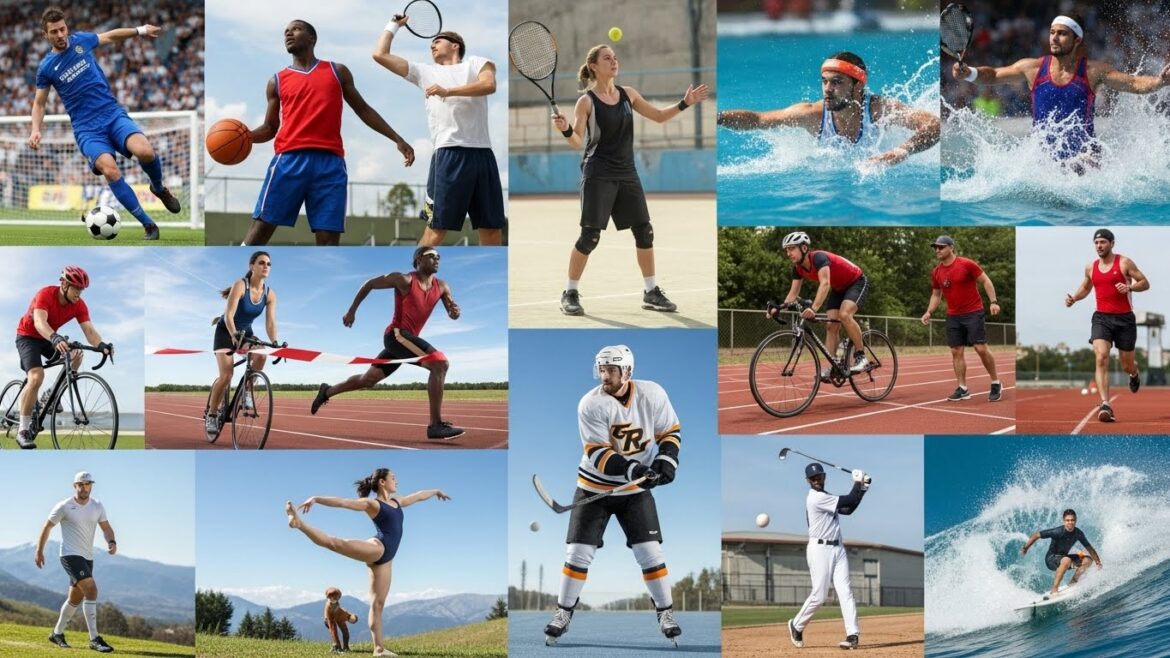
Introduction: Sports as the Universal Language
Sports have always held a special place in human society. From ancient competitive games carved into history to modern championships watched by millions, sports speak a universal language. They bring people together across borders, age groups, and cultures. But in today’s rapidly evolving world, sports are much more than just games. They influence technology, mental health, identity, and global connection like never before. In this blog post, we explore how modern sports shape our lives, ignite passion, and continue to evolve with society.
The Thrill of Competition and the Spirit of Sportsmanship
Every sport, whether played on a dusty neighborhood street or a polished professional arena, starts with one thing: competition. The thrill of trying to do better, be better, and push limits is what keeps sports alive. But the true heart of sports lies not only in winning—it lies in the spirit of sportsmanship.
Sportsmanship teaches us humility in victory and grace in defeat. When athletes shake hands after a match, exchange jerseys, or congratulate each other, they show the world that competition can be fierce without hostility. This mindset transcends the field, influencing how we approach challenges in daily life. It teaches teamwork, patience, resilience, and respect—qualities that shape character far beyond the scoreboard.
The Evolution of Sports in the Modern Era
Sports today look very different from what they were a few decades ago. The integration of technology, science, and analytics has transformed performance and training. Fitness trackers measure heart rates, smart shoes analyze running patterns, and video assistant systems help referees make fairer decisions. These innovations not only improve accuracy but also make sports safer.
Beyond technology, the sports industry has grown into a global powerhouse. Once-local games now attract international audiences. Athletes from diverse cultures compete on the same stage, and fans form global communities that connect online to celebrate or debate matches. This expansion has contributed to the blending of cultures and the breaking down of barriers.
The Rise of Women’s Sports: A Movement, Not a Moment
One of the most powerful shifts in the sports world is the rapid rise and recognition of women’s sports. What used to be a marginalized category has now garnered massive attention and respect. More women athletes are headlining major events, inspiring young girls worldwide to pursue their dreams.
This rise is not just about participation but also about representation and equality. Women’s leagues are gaining stronger investment, media coverage, and fan bases. These achievements are helping to reshape perceptions of ability, leadership, and strength. The champions of women’s sports are not only breaking records—they are redefining society’s expectations.
Sports and Mental Health: The Growing Awareness
For many years, the mental side of sports was overlooked. The focus was mostly on physical abilities and achievements. Today, the narrative has changed dramatically. Athletes at all levels openly discuss mental health challenges, helping remove the stigma around anxiety, burnout, and depression.
Sports, when approached healthily, contribute positively to mental well-being. They relieve stress, boost confidence, and serve as emotional outlets. On the other hand, the pressure to perform can take a toll. By acknowledging these realities, the sports community is creating safer environments for athletes to express themselves, seek support, and thrive both on and off the field.
The Influence of Sports on Youth Development
Children who grow up playing sports benefit in countless ways. Beyond improving physical health, sports instill discipline, teamwork, time management, and problem-solving. Young athletes learn how to communicate, handle pressure, and navigate both victory and setbacks.
Participating in sports also creates a sense of belonging. Team environments help children develop friendships and trust, while solo sports teach independence and self-motivation. Many educators and parents consider sports an essential part of youth development because of the life skills they foster.
Sports as a Cultural Bridge
Sports have a unique ability to link cultures and communities. During global events, the world pauses to watch athletes from different nations come together. These moments foster unity, mutual respect, and shared celebration. Even rivalry between countries or teams often remains respectful, highlighting how sports transform competition into cultural exchange.
Whether it’s fans singing in stadiums, local festivals celebrating teams, or global audiences cheering for underdogs, sports create a sense of connection that transcends cultural boundaries. The rituals, chants, traditions, and colors associated with each sport further enrich cultural identity, making sports an essential part of global heritage.
The Business Side of Sports: A Billion-Dollar Industry
The modern sports world is not only about athletic skill; it is also a massive business ecosystem. Sports industries include merchandise, broadcasting, sponsorships, stadium development, tourism, and more. Major events can boost local economies, create jobs, and attract international visitors.
Athletes today are not only competitors but also brand ambassadors and influencers. Their voices extend far beyond the field, impacting fashion, social causes, and global trends. This blend of sports and business has opened new pathways for careers, innovation, and entrepreneurship.
The Role of Fans: The Heartbeat of Every Sport
No sport is complete without its fans. They bring energy to stadiums, create electric atmospheres, and fuel the excitement of competition. Fans form emotional connections with teams and players, building traditions that sometimes last for generations.
With social media, fans now interact directly with athletes, join global discussions, and express support instantly. Fan culture continues to evolve, becoming more inclusive and engaging. Whether cheering from the stands or through a screen, fans shape the identity of every sport in powerful ways.
The Expanding World of Esports: Redefining What a Sport Can Be
One of the most remarkable developments of the past decade is the explosive growth of esports. What began as competitive video gaming has turned into a worldwide phenomenon with professional leagues, tournaments, and millions of spectators.
Esports challenge the traditional definition of sports, yet they require precision, strategy, teamwork, and intense mental focus. They offer opportunities for players and content creators, and they attract younger audiences who see the digital arena as a modern battleground of skill. As technology continues to evolve, esports are likely to become an even more integral part of the sports world.
The Future of Sports: What Comes Next?
Looking ahead, sports will continue to evolve. With advancements in virtual reality, augmented training, and data analytics, athletes will push human capabilities further. Diversity and inclusion will become even stronger priorities. More global partnerships, innovative fan experiences, and sustainable sports practices will shape the future.
Climate change will also influence sports, prompting new solutions for eco-friendly stadiums and travel. Meanwhile, the fusion of physical and digital sports will open new fields of competition and entertainment. The future of sports is limitless, with innovation driving opportunities we have not yet imagined.
Conclusion: Sports as the Rhythm of Human Experience
Sports are more than games. They are reflections of our dreams, challenges, and achievements. They bring people together, spark emotions, and teach lessons that last a lifetime. Whether you are an athlete, a fan, or simply someone who enjoys the energy of competition, sports are part of the rhythm of human experience.
In a world full of differences, sports remain one of the few things capable of uniting people under a shared passion. They remind us that no matter where we come from, we all understand the joy of victory, the pain of defeat, and the beauty of giving our best. And that is what keeps the pulse of play beating strong.