
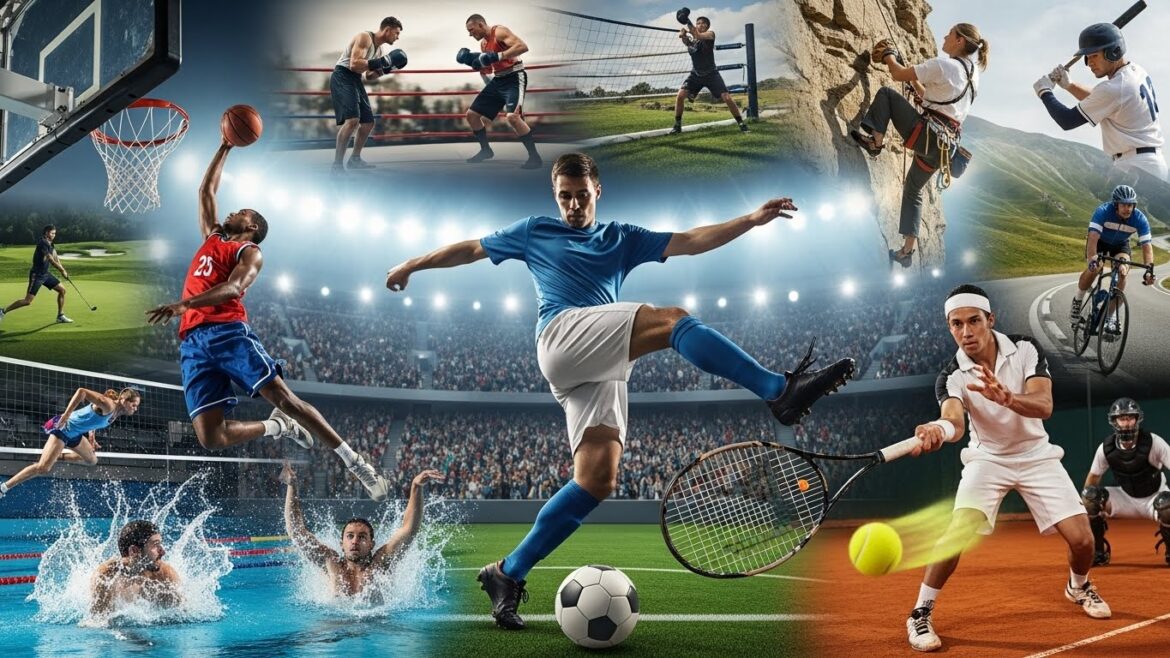
Introduction: Sports as a Way of Life
Sports are one of the most influential aspects of human culture. They are more than competitions; they are expressions of passion, discipline, and resilience. From informal street games to professional leagues, sports shape individuals and societies in profound ways. They foster teamwork, ignite ambition, and inspire millions of people worldwide. Across cultures and generations, sports have remained a universal language that transcends boundaries. They create a platform for physical activity, emotional expression, social bonding, and even national pride. Understanding the multifaceted impact of sports reveals why they are not merely pastimes but essential components of human development and societal growth.
The Historical Significance of Sports
Sports have a rich history dating back to ancient civilizations. In ancient Greece, the Olympic Games celebrated human physical achievement, honor, and competition. The Romans organized gladiatorial contests to entertain citizens and demonstrate power. Early humans engaged in physical activities to improve survival skills, which gradually evolved into organized sports. Over time, these activities transformed into formal games with rules, teams, and competitions. Modern sports, including football, basketball, cricket, and athletics, have deep roots in historical practices, reflecting cultural evolution and human innovation. The history of sports demonstrates how games have always been intertwined with society, values, and collective identity.
Physical Benefits of Sports
One of the most obvious benefits of sports is physical fitness. Engaging in regular sports improves cardiovascular health, strengthens muscles, and enhances flexibility. Activities such as running, swimming, and cycling increase endurance, while team sports like soccer, basketball, and hockey improve coordination, reflexes, and agility. Regular participation in sports helps manage weight, reduces the risk of chronic diseases such as diabetes and hypertension, and promotes overall longevity. Beyond physical strength, sports contribute to better sleep patterns, increased energy levels, and a stronger immune system. For children and adolescents, sports are crucial for growth, motor skill development, and establishing a foundation for lifelong health.
Psychological Benefits of Sports
Sports provide immense mental and emotional benefits. Participation in sports promotes self-discipline, determination, and resilience. Athletes learn to cope with failure, celebrate success, and maintain focus under pressure. Team sports enhance communication, empathy, and collaboration, teaching participants the importance of working toward a common goal. Physical activity also stimulates the release of endorphins, reducing stress, anxiety, and depression. Sports build self-esteem and confidence by encouraging individuals to set goals, push their limits, and achieve milestones. The mental conditioning developed through sports equips individuals with valuable skills that extend far beyond the playing field, positively impacting personal and professional life.
Sports as a Cultural Connector
Sports have the power to unite people across cultures and nations. International events such as the FIFA World Cup, the Olympics, and global cricket tournaments bring millions together in shared excitement. They allow fans to celebrate national pride, cultural heritage, and collective identity. Local and community-level sports also foster social cohesion by creating opportunities for people to interact, collaborate, and celebrate together. Sports promote inclusivity, breaking down barriers of race, religion, and social class. By bridging differences, sports encourage understanding, friendship, and mutual respect, proving that they are much more than competitions—they are instruments of unity.
Youth Development and Education Through Sports
Sports play a critical role in the development of children and teenagers. Schools and educational institutions often integrate sports into their curriculum to promote holistic growth. Participating in sports teaches essential life skills such as time management, teamwork, leadership, and strategic thinking. Youth sports programs offer a safe space for developing resilience, handling pressure, and learning to deal with both success and failure. Research also indicates that students who engage in sports often perform better academically due to improved concentration, discipline, and stress management. Inclusive sports programs provide equal opportunities for children from all backgrounds to explore their talents and gain confidence. The combination of physical, social, and emotional growth makes sports an indispensable part of youth education.
Professional Sports and Global Influence
Professional sports have become a major global industry, influencing culture, media, and economics. Athletes are celebrated as role models who inspire millions through dedication, skill, and perseverance. Professional leagues and competitions generate immense revenue through sponsorships, broadcasting, and merchandising. However, the rise of professional sports also brings challenges, such as intense pressure on athletes, financial inequalities, and ethical issues including doping or corruption. Despite these challenges, professional sports shape popular culture, promote aspiration, and provide entertainment that captivates audiences worldwide. They also demonstrate the power of sports to drive innovation in training, strategy, and performance.
The Role of Technology in Modern Sports
Technology has revolutionized the world of sports, changing how games are played, analyzed, and consumed. Advanced training equipment, wearable fitness devices, and virtual simulations have enhanced performance and safety. Video analysis enables coaches and athletes to refine techniques, develop strategies, and monitor progress. Technology also improves spectator experience through live streaming, instant replays, and immersive virtual experiences. Adaptive technologies have made sports more inclusive, allowing individuals with disabilities to compete at high levels. The digital transformation ensures that sports continue to evolve, making them more engaging, accessible, and efficient.
Sports as a Platform for Social Change
Sports often extend beyond entertainment to serve as platforms for social advocacy and change. Athletes use their visibility to promote equality, mental health awareness, environmental conservation, and human rights. Iconic moments in sports history show athletes standing against injustice and using their influence to inspire positive change. Community sports initiatives also foster social development, encouraging participation, inclusivity, and empowerment. Through advocacy and community engagement, sports contribute to shaping societal values, challenging inequalities, and inspiring future generations to take action for meaningful causes.
The Future of Sports
The future of sports is promising, dynamic, and inclusive. Emerging trends such as e-sports, virtual reality competitions, and AI-based performance analytics are reshaping traditional sports. Efforts toward gender equality and representation are creating more opportunities for women and marginalized groups in all levels of competition. Sustainability has become a priority, with eco-friendly stadiums, zero-waste events, and green initiatives taking center stage. Global collaboration and grassroots development programs are nurturing talent and fostering international connections. Despite technological advancements, the essence of sports—teamwork, skill, competition, and human connection—remains unchanged. Sports will continue to inspire, unite, and transform lives for generations to come.
Conclusion: Sports as a Lifelong Influence
Sports are much more than games; they are a reflection of human aspiration, determination, and creativity. They nurture physical fitness, mental strength, and social cohesion while teaching critical life skills. From local playgrounds to international arenas, sports inspire individuals, connect communities, and shape cultures. They provide a platform for advocacy, innovation, and personal growth, proving their lasting value in society. Engaging in sports at any level—whether as a player, coach, or fan—offers lessons that extend far beyond the field. The power of sports lies not just in competition but in its ability to transform lives, instill values, and unite humanity through the shared joy of movement, effort, and achievement.