
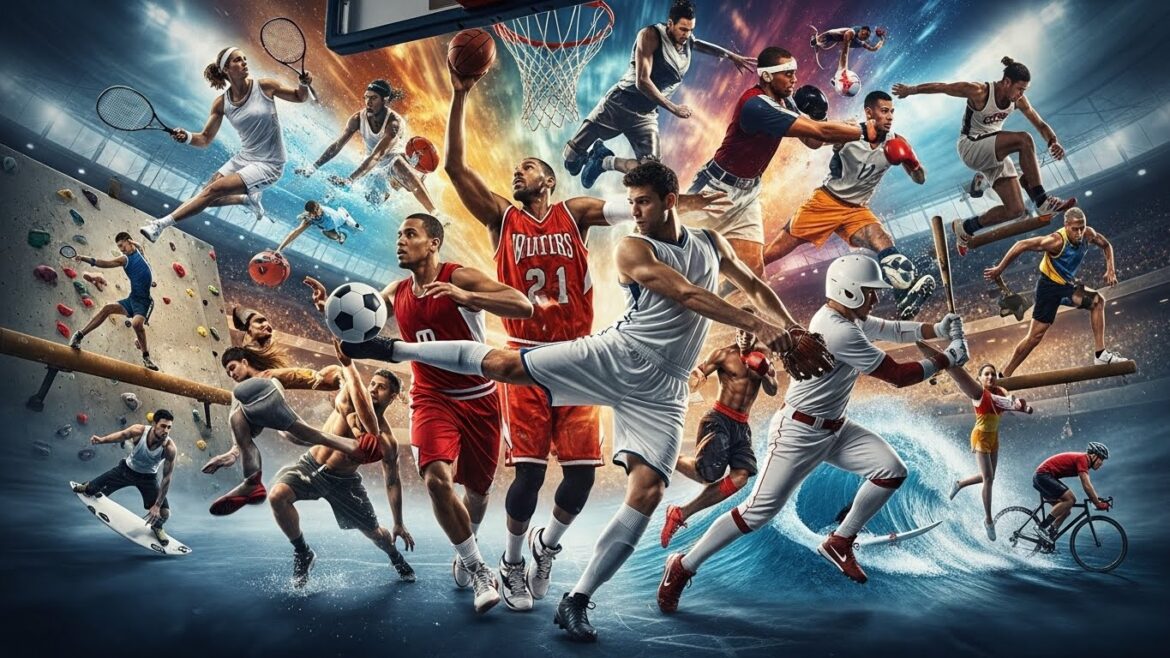
Sports have been a fundamental part of human culture for centuries. From the ancient Olympic Games in Greece to modern professional leagues spanning the globe, sports have always captivated people’s hearts. They are more than just games; they are a reflection of society, a platform for personal growth, and a source of collective joy. In this blog, we will explore the multifaceted impact of sports, from physical and mental health benefits to societal influence, professional opportunities, and the evolution of sports culture.
The Physical Benefits of Sports
One of the most obvious advantages of engaging in sports is the positive impact on physical health. Regular participation in physical activity improves cardiovascular health, strengthens muscles, and enhances flexibility and coordination. Sports like swimming, soccer, basketball, and tennis challenge the body in various ways, promoting overall fitness.
Cardiovascular exercises in sports increase heart rate, improve blood circulation, and reduce the risk of heart disease. Strength-based activities, such as weightlifting or gymnastics, help maintain muscle mass and bone density. Moreover, sports encourage a more active lifestyle, which is crucial in today’s increasingly sedentary world.
In addition to physical health, sports help regulate body weight and improve metabolism. Children and teenagers who participate in sports are more likely to develop healthy habits that persist into adulthood. These habits can reduce the likelihood of obesity, diabetes, and other lifestyle-related illnesses. Physical activity also enhances energy levels, enabling individuals to perform daily tasks more efficiently.
Mental Health and Emotional Well-Being
While physical benefits are easy to see, the psychological advantages of sports are equally significant. Participating in sports reduces stress and anxiety by releasing endorphins, chemicals in the brain that promote feelings of happiness and relaxation. Regular exercise can also improve sleep quality, a crucial factor for mental health.
Sports cultivate focus and discipline. Learning strategies, following rules, and maintaining training schedules teach individuals how to manage time and stay committed to goals. Team sports, in particular, foster collaboration, communication, and conflict-resolution skills. The experience of working together toward a common goal strengthens emotional resilience and social awareness.
For many people, sports serve as a powerful outlet for emotions. The adrenaline rush from scoring a goal, crossing a finish line, or achieving a personal milestone can boost self-esteem and provide a sense of accomplishment. In the long term, these experiences build confidence and help individuals cope with challenges in other areas of life.
Sports as a Social Connector
Sports have a unique ability to bring people together. Communities often rally around local teams, national leagues, or international competitions, creating bonds that transcend cultural, linguistic, and geographical barriers. This sense of unity is particularly evident during global events such as the Olympics or the World Cup, where millions of people celebrate achievements together.
Local sports clubs also provide opportunities for social engagement. They allow individuals to meet people with similar interests, fostering friendships and social networks. In schools and colleges, sports encourage inclusivity and teamwork, helping young people develop social skills that are essential for personal and professional life.
Furthermore, sports can act as a platform for cultural exchange. Athletes traveling internationally share experiences and traditions, promoting understanding and mutual respect. These interactions help break down stereotypes and encourage a more inclusive society.
The Role of Sports in Education
Sports play a crucial role in education, not just physically but academically and morally. Schools that integrate sports into their curriculum provide students with opportunities to develop essential life skills. Discipline, time management, perseverance, and leadership are all nurtured through sports participation.
Research shows that students who engage in regular physical activity often perform better academically. Physical activity stimulates brain function, improves concentration, and enhances memory retention. Moreover, sports teach resilience, a critical trait for overcoming setbacks both on and off the field.
Team sports, in particular, help students learn cooperation and accountability. Each player has a role, and the team’s success depends on everyone fulfilling their responsibilities. These lessons translate directly into real-world scenarios, whether in the workplace, family settings, or community projects.
Sports and Professional Opportunities
Beyond health and social benefits, sports can open doors to professional opportunities. While only a small percentage of athletes reach elite levels, the industry surrounding sports offers countless careers. Coaches, trainers, physiotherapists, sports analysts, journalists, event managers, and marketers all rely on the sports ecosystem for employment.
Professional sports themselves have become a global phenomenon, generating significant economic activity. Major leagues in football, basketball, cricket, and other sports attract millions of fans, driving revenue through ticket sales, merchandise, broadcasting, and sponsorships. This economic impact extends to local businesses, tourism, and media industries, making sports an essential part of modern economies.
Athletes, in addition to their physical prowess, often become role models and influencers. They inspire younger generations, promote healthy lifestyles, and sometimes advocate for social causes. This aspect of sports highlights its potential for creating leaders and shaping public opinion.
Technological Advancements in Sports
Technology has revolutionized the way sports are played, viewed, and analyzed. Modern equipment enhances performance and safety, while innovations such as video analysis and wearable devices allow athletes to track progress meticulously. Sports science has become integral in preventing injuries, optimizing training routines, and improving overall performance.
Fans have also benefited from technological advancements. High-definition broadcasting, instant replays, virtual reality experiences, and online streaming platforms have made sports more accessible than ever before. Social media allows fans to engage with athletes directly, creating a more interactive and immersive experience.
Technology is also transforming sports strategy. Data analytics, for example, helps teams understand opponents’ tendencies, optimize player positions, and refine tactics. This blend of science and athleticism is pushing the boundaries of what is possible in sports.
Sports and Cultural Impact
Sports often reflect cultural values and societal norms. They can serve as a mirror for social change, promoting diversity, equality, and inclusion. For instance, the integration of women in professional leagues, advocacy for equal pay, and campaigns against discrimination highlight the role of sports in shaping progressive societal attitudes.
Sports heroes often transcend their athletic achievements, becoming symbols of hope and perseverance. Their stories inspire millions to pursue dreams, overcome adversity, and believe in their potential. Cultural festivals, local tournaments, and national championships create traditions that strengthen community identity and pride.
Moreover, sports can unite countries in times of crisis. National teams provide a shared focus, helping people find common ground despite political, economic, or social challenges. This unifying power of sports demonstrates its significance beyond entertainment or competition.
Challenges and Controversies in Sports
Despite the numerous benefits, sports are not without challenges and controversies. Issues such as doping, corruption, match-fixing, and unethical behavior can tarnish reputations and undermine integrity. Professional athletes often face immense pressure, which can affect mental health and personal lives.
Another significant concern is inequality in sports. Gender disparities, economic barriers, and lack of access to facilities limit participation for certain groups. Addressing these challenges requires investment, policy reforms, and awareness programs to ensure sports remain inclusive and fair.
The commercialization of sports also raises questions about priorities. While professional leagues generate huge profits, grassroots sports and community programs sometimes struggle for funding. Balancing commercial interests with the broader societal benefits of sports is an ongoing challenge.
The Future of Sports
The future of sports looks dynamic and exciting. Emerging trends such as esports, virtual competitions, and adaptive sports for differently-abled athletes are expanding the definition of athletic participation. Inclusivity, sustainability, and technology integration will continue to shape the evolution of sports.
Sports will likely remain a cornerstone of human development, offering physical, mental, and social benefits. By promoting healthy lifestyles, encouraging teamwork, and fostering cultural understanding, sports will continue to enrich lives and strengthen communities worldwide.
Investing in youth programs, improving accessibility, and leveraging technology responsibly can ensure that sports reach their full potential. As more people engage with sports in varied forms, the positive impact on society will grow, highlighting the timeless significance of play in human life.
Conclusion
Sports are far more than games; they are a powerful force that shapes individuals and societies. From improving physical and mental health to creating social connections, professional opportunities, and cultural identity, sports influence nearly every aspect of life. The challenges they face, including ethical dilemmas and inequalities, require conscious effort to address.
Ultimately, sports teach us resilience, discipline, teamwork, and the joy of achievement. They remind us that play is not just a pastime but a vital part of human growth and social cohesion. By embracing the power of sports, we invest in healthier, happier, and more connected communities, ensuring that the legacy of play continues to inspire generations to come.