
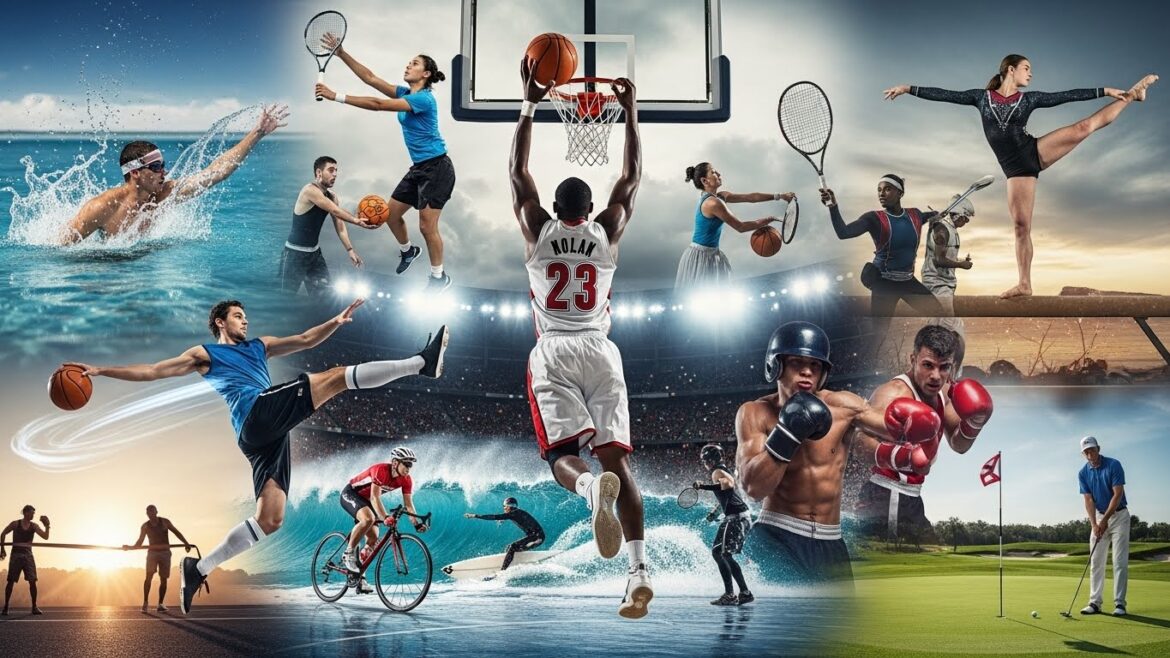
Sports have been an integral part of human civilization for centuries, transcending cultural, linguistic, and geographic boundaries. From ancient Olympic Games in Greece to modern global tournaments, sports have consistently demonstrated their power to inspire, unite, and transform individuals and societies. Beyond the thrill of competition, sports foster physical fitness, mental resilience, teamwork, and personal growth. This blog explores the multifaceted world of sports and examines how they influence lives on both personal and societal levels.
Understanding the Essence of Sports
At its core, sports are structured physical activities governed by rules, with the objective of competition or recreation. They range from individual pursuits like running, swimming, and gymnastics to team-oriented games such as soccer, basketball, and volleyball. What makes sports unique is their combination of physical exertion, skill, strategy, and mental fortitude.
Sports serve as more than just entertainment. They instill values such as discipline, perseverance, fair play, and respect for others. By engaging in sports, individuals develop a sense of responsibility, commitment, and resilience that extends far beyond the playing field.
Physical Health Benefits
One of the most obvious advantages of sports is their contribution to physical well-being. Regular participation in sports improves cardiovascular health, enhances muscular strength, and boosts flexibility and coordination. Activities like swimming and cycling strengthen the heart and lungs, while weight-bearing exercises such as tennis and basketball enhance bone density.
Sports also play a vital role in combating obesity and lifestyle-related diseases. Engaging in regular physical activity helps regulate weight, maintain healthy blood pressure, and improve metabolism. Children, adults, and seniors alike benefit from sports, making it a lifelong pathway to better health.
Mental Health and Cognitive Benefits
While physical benefits are well-known, sports also have profound mental and cognitive advantages. Exercise triggers the release of endorphins, which reduce stress, alleviate anxiety, and improve mood. Sports provide an outlet for pent-up energy and emotions, promoting relaxation and mental clarity.
Participation in sports enhances focus, strategic thinking, and decision-making abilities. Athletes learn to anticipate moves, plan tactics, and make split-second judgments. These cognitive skills are transferable to academic, professional, and personal contexts, making sports an invaluable tool for holistic development.
Building Resilience and Mental Toughness
Sports are a powerful teacher of resilience. Athletes frequently face setbacks such as losses, injuries, or performance slumps. Learning to overcome these challenges fosters mental toughness, perseverance, and a growth mindset.
For example, a marathon runner develops the discipline to push through fatigue, a basketball player learns to handle high-pressure situations, and a gymnast masters the patience required to perfect a routine. These experiences cultivate resilience, which is applicable not only in sports but also in everyday life, empowering individuals to confront adversity with determination.
The Role of Teamwork
Team sports are a microcosm of society. They teach cooperation, communication, and collective responsibility. In soccer, basketball, or volleyball, success depends on the ability of players to coordinate strategies, support one another, and work toward a common objective.
Teamwork in sports also nurtures leadership skills. Players learn to take initiative, motivate teammates, and make decisions under pressure. These lessons are invaluable in professional environments, where collaboration, trust, and effective communication are essential for success.
Sports as a Platform for Social Change
Throughout history, sports have served as a powerful platform for social change. Iconic athletes have challenged racial barriers, promoted gender equality, and inspired social movements. Sports have provided visibility and a voice to marginalized communities, demonstrating their potential to influence societal attitudes.
Legends like Muhammad Ali, Billie Jean King, and Serena Williams used their platforms not only to excel in their respective sports but also to advocate for justice, equality, and empowerment. Their legacy highlights how sports can transcend the boundaries of competition and drive meaningful societal progress.
Youth Sports and Development
Engaging children and adolescents in sports has far-reaching benefits. Youth sports promote physical fitness, emotional intelligence, and social skills. They teach young individuals the value of discipline, perseverance, and sportsmanship.
Participation in sports also fosters confidence and self-esteem. Children learn to handle victories gracefully and accept losses constructively. Structured sports programs provide a safe and supportive environment for growth, helping young athletes develop resilience, teamwork, and a strong sense of identity.
The Global Sports Industry
Sports are not only a source of personal development but also a significant economic force. Professional leagues, international tournaments, and sports events generate billions of dollars in revenue through ticket sales, broadcasting, sponsorships, and merchandising.
Beyond economics, sports serve as a cultural bridge. Global events such as the Olympics or the FIFA World Cup bring together athletes and spectators from diverse backgrounds, fostering international understanding and cultural exchange. The global sports industry demonstrates that athletics have the power to unite people while contributing to economic development.
Fan Engagement and Cultural Identity
Sports fans often form deep emotional connections with teams, athletes, and events. Supporting a team fosters a sense of identity, belonging, and community. Fans experience joy, disappointment, and hope alongside their favorite players, creating shared experiences that transcend age, culture, and geography.
While extreme fandom can sometimes lead to stress or conflict, healthy engagement enhances social bonds and mental well-being. Supporting sports allows individuals to participate in a collective cultural narrative, sharing experiences that strengthen community and personal identity.
Women in Sports
Women’s participation in sports has grown exponentially, challenging traditional gender stereotypes and promoting inclusivity. Female athletes now compete at elite levels, inspiring generations with their dedication, skill, and achievements.
Despite progress, gender equality in sports remains a challenge. Equal access to facilities, coaching, media coverage, and recognition is critical for fostering growth. Celebrating the accomplishments of female athletes empowers women, promotes diversity, and enriches the sports ecosystem for everyone.
Technology and Modern Sports
The advancement of technology has revolutionized sports. Wearable devices track physical performance, monitor heart rates, and optimize training routines. Video analysis enables athletes to study opponents, refine strategies, and improve overall performance.
Technology has also transformed fan experiences. Live broadcasts, instant replays, and interactive platforms allow spectators to engage with sports in unprecedented ways. From virtual reality simulations to data-driven analytics, technology enhances both the performance and enjoyment of sports, making them more dynamic and accessible.
Sports and Lifelong Learning
Sports offer lessons that extend beyond the field. They teach goal-setting, time management, resilience, and ethical behavior. Athletes learn to handle success and failure with humility, adapt to changing circumstances, and collaborate effectively with others.
These skills are transferable to everyday life. Whether pursuing academic goals, professional ambitions, or personal growth, the lessons learned through sports equip individuals with the mindset and capabilities to navigate challenges successfully.
Conclusion: Sports as a Way of Life
Sports are more than physical activity—they are a holistic force that shapes minds, bodies, and societies. They teach discipline, resilience, teamwork, and leadership while fostering social connection and cultural understanding. The impact of sports extends beyond the individual, creating communities, inspiring movements, and influencing global culture.
In a fast-paced world, sports offer a unique combination of competition, joy, and personal growth. They encourage individuals to push boundaries, embrace challenges, and strive for excellence while fostering respect, fairness, and collaboration. Whether as a participant, spectator, or supporter, engaging with sports allows us to experience life more fully, celebrate achievements, and learn lessons that resonate far beyond the field.
Ultimately, sports are not merely games—they are a reflection of human potential, a source of inspiration, and a way of life that continues to shape individuals and societies across generations.