
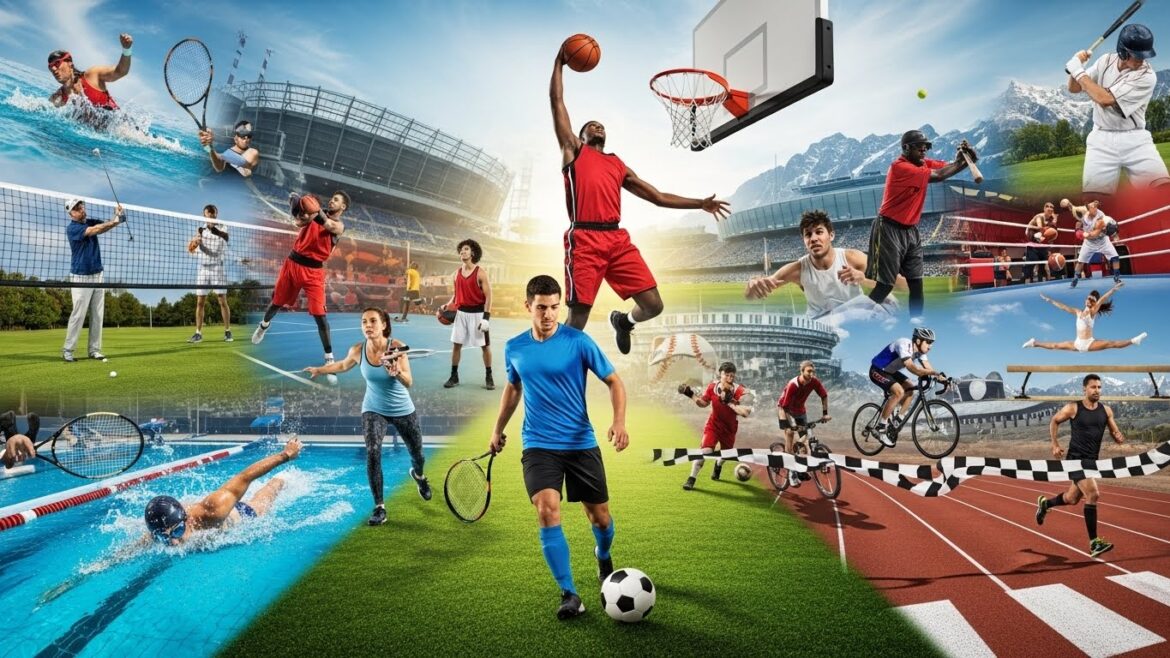
Sports are an integral part of human culture and society. From the competitive thrill of the game to the social connections they foster, sports have evolved far beyond simple recreation. They have the power to influence not only individual lives but also communities, economies, and global cultures. Over the centuries, sports have become a universal language, connecting people from all walks of life. In this blog post, we will explore the multifaceted impact of sports, delving into how they shape individuals and societies, promote personal growth, and contribute to the global community. We will also consider the social, economic, and psychological effects of sports, as well as their potential for bringing about positive change in the world.
The Unifying Power of Sports
One of the most remarkable qualities of sports is their ability to unite people. Regardless of nationality, language, or background, sports bring individuals together in ways that few other activities can. Whether it’s a local match between neighborhood teams or a global spectacle like the FIFA World Cup, sports create a sense of shared experience that transcends boundaries. This unifying force is one of the reasons why major international sports events have such a profound effect on society.
The Olympics, for instance, bring together athletes from every corner of the globe, showcasing the diversity of human cultures while highlighting the common goal of excellence. People from different nations cheer for their athletes, and even if they do not share a common language or culture, they share a deep connection through the love of the sport. The sense of global solidarity that sports create is unmatched, making them one of the most powerful social forces in existence today.
This ability to unite is not limited to global events; sports also serve as a binding force within smaller communities. Local sports teams, whether at the school, college, or amateur level, foster a sense of belonging and pride. These teams often represent the identity of a town or city, providing a common ground where people can come together and form a strong sense of community. Sports are a vehicle for social cohesion, and they can bridge social, economic, and cultural gaps that might otherwise divide people.
Health and Wellness Benefits of Sports
Beyond the social benefits, sports offer numerous physical and mental health advantages. The most obvious impact of sports is on physical fitness. Regular participation in sports helps individuals maintain a healthy weight, improve cardiovascular health, and build muscle strength. Activities such as running, swimming, cycling, and playing team sports increase overall fitness levels and help prevent a range of chronic conditions, including obesity, diabetes, and heart disease.
The role of sports in promoting mental health is equally important. Exercise has long been linked to improved mood and reduced stress levels. Sports provide an opportunity for individuals to engage in physical activity while relieving tension and anxiety. This can have a positive effect on mental well-being, offering a natural way to combat the pressures of everyday life. Moreover, the sense of achievement that comes from mastering a sport or achieving a personal goal, whether it’s finishing a marathon or scoring a winning goal, can significantly boost self-esteem and confidence.
Team sports, in particular, provide valuable psychological benefits. Being part of a team fosters a sense of belonging and camaraderie. Teammates rely on each other for support, both in and out of the game, which helps build strong interpersonal relationships. This sense of teamwork and mutual trust can enhance social skills and improve emotional intelligence. For many athletes, sports serve as an essential outlet for stress, providing a positive and healthy way to cope with life’s challenges.
The Economic Power of Sports
The economic impact of sports is vast, and its effects are felt in almost every corner of the globe. Professional sports leagues generate billions of dollars in revenue each year through ticket sales, broadcasting rights, sponsorships, and merchandise. The NBA, NFL, and Premier League are just a few examples of sports leagues that are worth billions, drawing audiences from every continent and creating numerous jobs both directly and indirectly.
Beyond professional leagues, sports also play a crucial role in local economies. Smaller sports events, such as college games or local competitions, can provide significant economic benefits to the cities that host them. These events bring in thousands of visitors, who spend money on hotels, restaurants, and local attractions. For instance, large-scale events like the Super Bowl or the World Cup have the power to revitalize entire cities, generating millions in revenue. This is why cities often bid for the opportunity to host such events — the economic windfall can last for years.
Sports-related industries, such as fitness centers, equipment manufacturing, and media, also contribute significantly to the economy. The global sports apparel market, for example, is a multi-billion-dollar industry that continues to grow as people increasingly engage in fitness activities. The demand for athletic wear, sports shoes, and training equipment fuels a vast supply chain of manufacturers, retailers, and marketers. Sports media, including television broadcasts, streaming services, and online platforms, have also emerged as major sources of revenue, making sports a central player in the broader entertainment sector.
Sports as a Tool for Social Change
Sports have a long history of being used as a tool for social change. From racial equality to gender rights, athletes have often used their platform to address social and political issues. The impact of sports as an agent of change can be seen in both historical and contemporary contexts. One of the most significant examples of this occurred in the 1960s, when African American athletes such as Muhammad Ali, Tommie Smith, and John Carlos used their visibility to speak out against racial injustice. Their actions sparked conversations that resonated far beyond the sports world, challenging societal norms and contributing to the civil rights movement.
In more recent years, sports activism has continued to make an impact. For example, the “Take a Knee” movement, started by NFL player Colin Kaepernick in 2016, ignited a national conversation about police brutality and racial inequality. Kaepernick’s protest, which involved kneeling during the national anthem, sparked a widespread movement that led to protests, discussions, and policy changes across the United States and beyond. This shows how athletes, through their involvement in sports, can use their platform to advocate for important social issues and inspire change in society.
Additionally, sports have become a platform for gender equality. The rise of women’s sports leagues, the equal pay movements, and the advocacy for female athletes’ rights have gained significant attention in recent years. Women’s participation in sports has historically been marginalized, but the growing visibility of female athletes has brought attention to issues of gender equity and representation. The achievements of athletes such as Serena Williams, Simone Biles, and Megan Rapinoe have contributed to a broader cultural shift toward recognizing and celebrating the achievements of women in sports.
Sports and Personal Development
For individuals, sports play a significant role in personal development. They teach important life skills such as discipline, teamwork, time management, and resilience. Athletes must adhere to strict training regimens, set personal goals, and work hard to improve their skills. This requires perseverance, commitment, and the ability to overcome setbacks. These qualities are not only valuable in the context of sports but also in everyday life.
Sports also help build leadership skills. In team sports, athletes often take on leadership roles, guiding and motivating their teammates. This experience of leading others in high-pressure situations can help athletes develop qualities like decision-making, communication, and conflict resolution. These skills are transferable to many areas of life, including careers, relationships, and community involvement.
For young people, sports provide a structured environment where they can learn important social and emotional skills. Participating in sports from an early age helps children develop self-confidence, make friends, and learn the value of hard work and fair play. It also provides a constructive outlet for energy and emotions, reducing the likelihood of negative behaviors such as aggression or substance abuse.
The Global Impact of Esports
While traditional sports have long dominated the global stage, the rise of esports is changing the landscape of competitive entertainment. Esports, or competitive video gaming, has quickly grown into a multi-billion-dollar industry, attracting millions of viewers, sponsorships, and media deals. What started as a subculture has now become a global phenomenon, with major tournaments and professional leagues for games like League of Legends, Dota 2, and Counter-Strike drawing huge audiences. Esports are no longer confined to niche groups of gamers; they are becoming mainstream, with live-streaming platforms such as Twitch and YouTube broadcasting events to millions worldwide.
Esports are also transforming the way people view competition. Traditional sports require physical prowess, but esports focus on mental acuity, strategy, and teamwork. The rise of esports has created new opportunities for young people to pursue careers in gaming, broadcasting, and content creation, making it an increasingly important sector of the global entertainment industry.
The Future of Sports
Looking ahead, sports will continue to evolve and adapt to changes in technology, society, and culture. The rise of virtual reality (VR) and augmented reality (AR) is already influencing the way people experience sports, offering immersive viewing experiences that bring fans closer to the action. Innovations in digital media, such as social media platforms and streaming services, will allow fans to interact with athletes, teams, and sports events in new and exciting ways.
Moreover, the growing focus on sustainability and environmental responsibility will likely shape the future of sports. As fans and athletes alike become more aware of environmental issues, there will be greater emphasis on making sports events and facilities more eco-friendly, reducing waste, and promoting green initiatives. The role of sports in promoting health and well-being will continue to be important as societies face rising challenges related to sedentary lifestyles and chronic disease.
In conclusion, sports have far-reaching impacts that extend well beyond the playing field. They bring people together, promote physical and mental well-being, drive economic growth, and serve as platforms for social change. Whether through personal development, uniting communities, or sparking conversations about important issues, sports are a powerful force in the world.