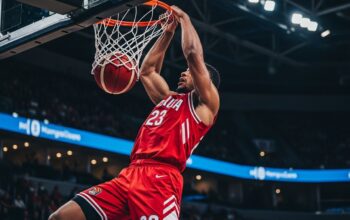

When the final whistle blows and the lights dim on the arena, the work isn’t over for professional athletes—it’s only just beginning. Recovery is the unsung hero of elite performance, a carefully calculated process that ensures athletes can bounce back stronger, faster, and more resilient. Whether you’re a weekend warrior or an aspiring pro, understanding how top athletes recover can unlock new levels of performance in your own training. Here’s a look behind the curtain at the recovery secrets of the pros.
1. Cold Therapy and Ice Baths
One of the most iconic recovery rituals in professional sports is the ice bath. Submerging the body in cold water helps reduce inflammation and muscle soreness by constricting blood vessels and slowing down metabolic activity. Many athletes swear by cryotherapy chambers as a high-tech alternative, exposing their bodies to subzero temperatures for a few minutes to stimulate recovery and reduce pain.
2. Compression and Recovery Gear
Compression garments—ranging from socks to full-leg sleeves—are more than a fashion statement. They help increase blood flow, reduce swelling, and speed up muscle repair. Athletes also rely on advanced pneumatic compression systems that use air pressure to massage muscles and improve circulation.
3. Sleep: The Ultimate Recovery Tool
Despite the rise of fancy gadgets and high-tech treatments, nothing replaces quality sleep. Elite athletes often aim for 8–10 hours per night, with some even incorporating daytime naps. Sleep is when the body repairs tissue, balances hormones, and consolidates muscle memory from training. Some teams employ sleep coaches to help players optimize their rest routines.
4. Active Recovery Workouts
Surprisingly, one of the best ways to recover is by moving. Low-intensity activities like cycling, swimming, or yoga help flush out lactic acid and maintain mobility without straining the body. Active recovery days are scheduled just like training sessions, ensuring the body keeps moving without overexertion.
5. Nutrition and Hydration
Post-game recovery begins with what goes into the body. Within 30 minutes of intense activity, many pros consume protein and carbohydrates to replenish glycogen stores and repair muscle tissue. Hydration is just as vital—restoring electrolyte balance can prevent cramps and fatigue.
6. Massage and Manual Therapy
Regular sports massages are a cornerstone of many athletes’ recovery protocols. These targeted treatments help release muscle tightness, reduce scar tissue buildup, and improve range of motion. Some athletes also rely on tools like foam rollers or massage guns to loosen up tight areas.
7. Mental Recovery and Mindfulness
Physical fatigue isn’t the only hurdle after a game. Mental stress, performance pressure, and travel can take a toll. Athletes use breathing exercises, guided meditation, visualization techniques, and even therapy to stay mentally balanced. Recovery is as much about the mind as it is about the muscles.
Final Thoughts
Recovery isn’t a luxury—it’s a necessity. The routines of professional athletes aren’t just for show; they’re backed by science and honed by experience. Whether you’re grinding through a local tournament or pushing yourself in the gym, applying even a few of these recovery strategies can help you train smarter, avoid injury, and perform at your best. Recovery isn’t about slowing down—it’s about coming back better.