
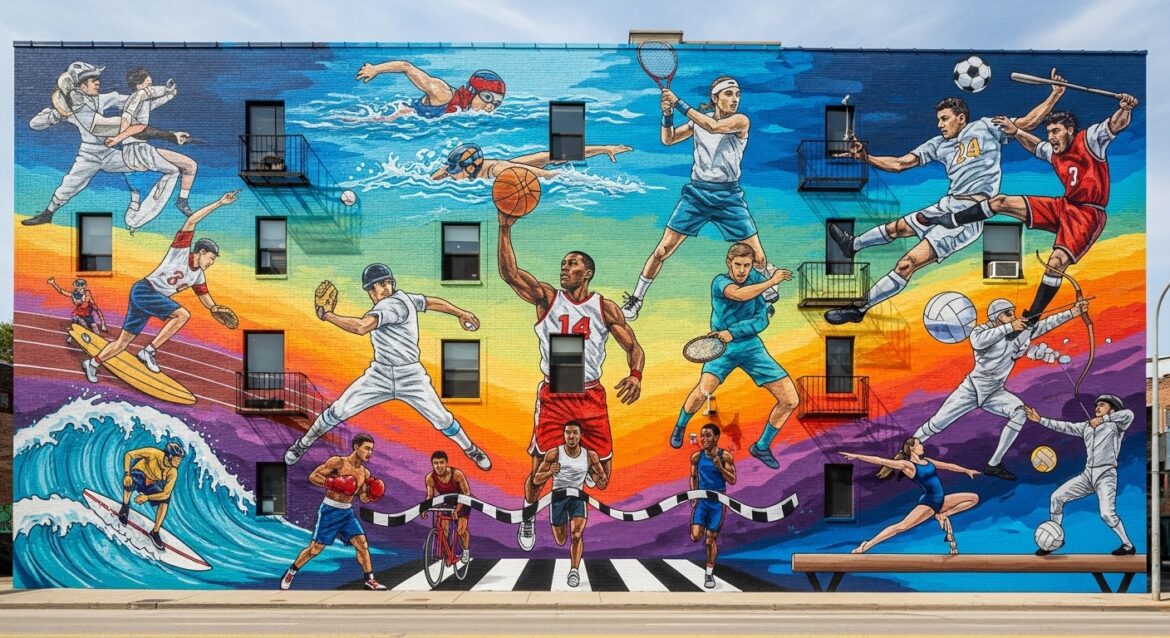
Introduction: The Universal Language of Sports
Sports have been a central part of human culture for centuries. From ancient Olympic contests to modern international championships, sports transcend language, geography, and social barriers. They are more than competitions; they are a reflection of human ambition, discipline, and creativity. Sports inspire communities, shape character, and offer shared experiences that foster unity. In an era where technology and society are rapidly evolving, sports continue to hold a unique place, blending tradition with modern innovation.
The Historical Evolution of Sports
The origins of organized sports date back thousands of years, with ancient civilizations using games to celebrate skill, strength, and cultural identity. Early competitions were often tied to religious rituals or military training, emphasizing endurance, agility, and strategy. Over centuries, sports have evolved into structured competitions with standardized rules, leagues, and international events. Modern sports now include a wide variety of activities, ranging from team sports like football and basketball to individual pursuits such as tennis and athletics. The evolution of sports reflects human ingenuity and the enduring desire to compete, entertain, and inspire.
Building Character Through Sports
Sports are powerful tools for personal development. Participation requires discipline, focus, resilience, and teamwork. Athletes learn to set goals, overcome challenges, and persevere through setbacks. Success and failure on the field mirror real-life experiences, teaching patience, humility, and emotional control. By instilling these traits, sports contribute to character development, preparing individuals to navigate challenges in personal, academic, and professional spheres. The lessons learned in training, practice, and competition extend far beyond the sports arena, influencing life decisions and behavior.
The Social Impact of Sports
Sports are a unifying force in society. They bring people together across cultures, ages, and social backgrounds. Local sports leagues foster community spirit, youth engagement, and social cohesion. Major international events like the FIFA World Cup or the Olympic Games capture global attention, promoting a sense of shared excitement and identity. Sports provide platforms for social interaction, cultural exchange, and mutual respect, making them instrumental in building inclusive and resilient communities.
Women in Sports: Breaking Barriers
Historically, sports were dominated by men, but women’s participation has increased significantly, challenging stereotypes and promoting equality. Female athletes excel in professional leagues, international competitions, and grassroots initiatives, inspiring future generations. Sports provide women with opportunities for personal growth, leadership, and public recognition. The rise of women’s sports has broader societal implications, emphasizing the importance of gender equality, representation, and empowerment.
Physical Benefits of Sports
The health benefits of sports are widely recognized. Regular participation improves cardiovascular health, strengthens muscles, enhances flexibility, and supports weight management. Sports also promote long-term wellness by encouraging active lifestyles and reducing the risk of chronic illnesses. Youth participation in sports fosters proper growth, coordination, and physical fitness, while adult engagement helps maintain health and vitality. Beyond fitness, sports cultivate body awareness, stamina, and overall resilience.
Mental and Emotional Benefits
Sports positively impact mental health, offering stress relief, emotional regulation, and cognitive stimulation. Physical activity releases endorphins that improve mood and reduce anxiety. Team sports foster social connections, providing a sense of belonging and community. Competitive sports teach focus, strategic thinking, and adaptability. Athletes learn to cope with pressure, manage setbacks, and maintain mental resilience. These skills enhance personal well-being, emotional intelligence, and social competence.
Technology Transforming Sports
Technological innovation has revolutionized how sports are played, viewed, and analyzed. Wearable devices monitor performance metrics, tracking heart rate, speed, and movement to optimize training. Video replay systems and analytics tools ensure fairness, strategy, and precision during competitions. Fans benefit from live streaming, augmented reality features, and interactive broadcasts, creating more immersive experiences. Technology also supports injury prevention, rehabilitation, and enhanced training methods, elevating both athletic performance and spectator engagement.
Esports and the Digital Sporting Revolution
Esports, or competitive gaming, represents a new frontier in the world of sports. Digital competitions attract millions of players and fans worldwide, blurring the line between traditional sports and gaming. Esports requires strategic thinking, reflexes, teamwork, and dedication, similar to conventional sports. Professional leagues, tournaments, and sponsorships have elevated esports to a legitimate industry. This phenomenon demonstrates how sports are evolving to include digital platforms while maintaining the values of competition and skill.
Sports and Education
Sports play a critical role in education by fostering holistic development. School and college programs teach discipline, leadership, time management, and collaboration. Scholarships and talent scouting offer opportunities for academic advancement and professional careers. Integrating sports into education encourages physical fitness, social skills, and self-confidence. Students learn to balance academics and athletics, preparing them for challenges in both educational and professional environments.
Sports as a Tool for Social Change
Athletes and sporting organizations often use their platforms to advocate for social justice, environmental responsibility, and humanitarian causes. From promoting inclusivity and equality to raising awareness for global issues, sports provide a powerful medium for social impact. Community programs leverage sports to address poverty, promote health, and encourage youth participation. By combining competition with social responsibility, sports contribute to creating a fairer, more equitable society.
Globalization of Sports
The global appeal of sports is evident in the worldwide popularity of events like the Olympics, World Cups, and international leagues. Fans from different countries follow teams, celebrate victories, and share in collective experiences. Globalization has also led to cultural exchange, talent mobility, and the spread of innovative training methods. International competitions foster mutual respect, understanding, and collaboration, demonstrating how sports bridge cultural and national divides.
Future Trends in Sports
The future of sports is shaped by innovation, inclusivity, and sustainability. Emerging technologies like virtual reality and AI-driven analytics are enhancing training and spectator experiences. Esports and hybrid sports models are gaining recognition alongside traditional games. Efforts to make sports more inclusive and accessible are expanding opportunities for differently-abled athletes. Sustainable practices in stadiums, events, and leagues are becoming a priority, reflecting a commitment to environmental responsibility. Sports will continue to evolve, blending tradition with innovation to remain relevant and impactful.
Conclusion: The Enduring Value of Sports
Sports are far more than entertainment. They are a powerful force that shapes character, strengthens communities, and inspires individuals. From promoting physical health and mental well-being to fostering social cohesion and driving cultural change, sports touch every aspect of life. The lessons learned on the field—discipline, teamwork, resilience, and perseverance—extend far beyond the game itself. As society evolves, sports will continue to adapt, innovate, and unite people, ensuring their lasting significance in shaping human experiences.