
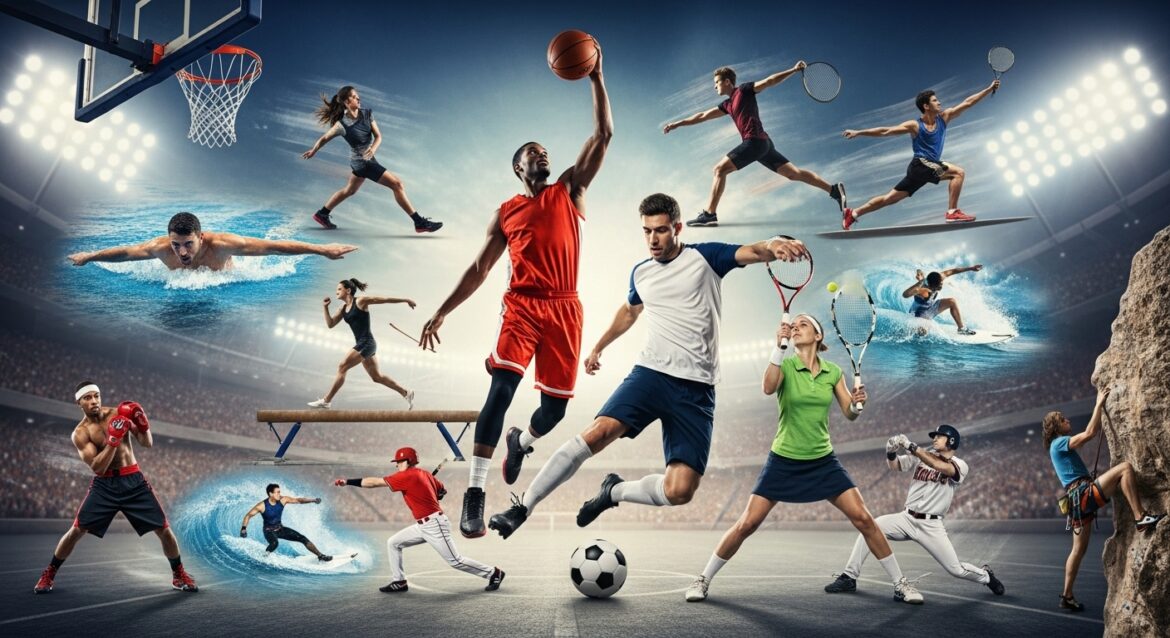
Sports are more than just a way to pass the time or stay physically fit. They are a universal language that connects people, builds communities, and shapes individuals in profound ways. Whether you’re on the field, in the stands, or just watching from home, sports have an undeniable impact that goes beyond the score. This blog takes a closer look at how sports influence personal development, mental well-being, social interactions, and the broader society.
Shaping Character and Building Discipline
One of the most significant impacts of sports is the way they shape character. Regardless of the sport, athletes learn valuable life lessons such as discipline, perseverance, and focus. The structured routines that athletes follow—whether it’s practice, training, or preparing for competitions—instill habits of time management and goal-setting.
The importance of discipline is evident both in the preparation leading up to an event and in the aftermath, when athletes reflect on their performance. Sports teach individuals that success requires consistent effort, and even in the face of failure, it’s the ability to stay committed and keep improving that counts the most. These lessons, learned on the field, are ones that athletes carry into their personal and professional lives, making them more resilient, hardworking, and focused.
Teamwork: The Power of Collaboration
In team sports, the essence of collaboration is key. Success is never achieved by individual effort alone; it is the result of collective determination and shared goals. The bonds formed between teammates transcend the game itself, as sports provide a unique environment to learn how to cooperate, communicate, and support one another.
Working with teammates toward a common objective cultivates empathy and understanding. Athletes learn to put aside personal differences for the good of the team. They also discover the importance of trust—trust in each other’s abilities and in the collective power of the group. These lessons in teamwork extend far beyond the playing field, fostering valuable skills that can be applied in any area of life, whether in the workplace, family dynamics, or community involvement.
Mental Health Benefits: Sports as a Stress Reliever
In today’s fast-paced world, stress and anxiety are increasingly common. One of the greatest benefits of participating in sports is the positive impact it has on mental health. Engaging in physical activity has been shown to reduce stress, anxiety, and depression, offering individuals a natural way to improve their emotional well-being.
Exercise, especially in the form of sports, triggers the release of endorphins, often referred to as the “feel-good” hormones. These chemicals help improve mood, increase energy levels, and provide a sense of accomplishment. Additionally, the focus required in sports offers a welcome mental break from daily worries, allowing participants to be fully immersed in the present moment. This mental clarity is one of the reasons why sports are often used as a tool for stress relief and emotional regulation.
The Social Impact: Creating Connections
Sports serve as a powerful social tool, connecting people from all walks of life. Whether through playing, supporting, or watching, sports bring individuals together in ways that few other activities can. Local sports leagues, community events, and even international competitions foster a sense of belonging and shared identity.
For young people, sports offer a unique opportunity to interact with peers, develop friendships, and form lasting relationships. At the same time, sports help bridge cultural, linguistic, and socio-economic gaps, creating spaces where people from diverse backgrounds can come together for a common purpose. From playing in a community game to attending a major sporting event, sports create social bonds that often extend well beyond the event itself, cultivating long-term connections and mutual respect.
Inspiring Role Models and Social Change
Throughout history, sports have played a crucial role in social change. Athletes have often used their platforms to speak out on issues such as civil rights, gender equality, and environmental sustainability. Figures like Jackie Robinson, Muhammad Ali, and Serena Williams have inspired millions by standing up for what they believe in, both on and off the field.
By using their visibility to advocate for important causes, athletes help spark conversations that lead to real-world change. The courage shown by sports figures often motivates others to take action, whether in the form of advocacy or simply changing their own behaviors. In this sense, sports are not just an escape from reality—they are a reflection of it, showcasing the power of collective action and the potential for individuals to make a difference.
Global Unity Through Sport
Perhaps one of the most profound aspects of sports is their ability to bring people together on a global scale. Events like the Olympics or the FIFA World Cup offer nations the opportunity to unite in a shared celebration of athleticism, culture, and national pride. The global reach of these events fosters a sense of interconnectedness and mutual respect among people of different countries and backgrounds.
Sports have the power to break down barriers—whether they are physical, political, or cultural. In a world that often feels divided, sports offer a common ground where people can unite, celebrate differences, and appreciate one another’s strengths. This unity is perhaps most evident in the moments when athletes from competing nations come together in the spirit of sportsmanship, showing that competition does not have to be hostile but can be a catalyst for international camaraderie.
Conclusion: More Than Just a Game
Sports are far more than just a means of entertainment or physical fitness. They shape individuals, foster meaningful social connections, and inspire global unity. Whether it’s developing personal discipline, learning the value of teamwork, promoting mental health, or sparking social change, the influence of sports is undeniable.
As we continue to embrace sports in all their forms, we must recognize their potential to enhance our lives and the world around us. From the lessons learned on the field to the global communities formed through shared experiences, sports remind us that the true power lies not in the game itself, but in how it brings us together and shapes who we are as individuals and as a society.