
Introduction: More Than Just a Game
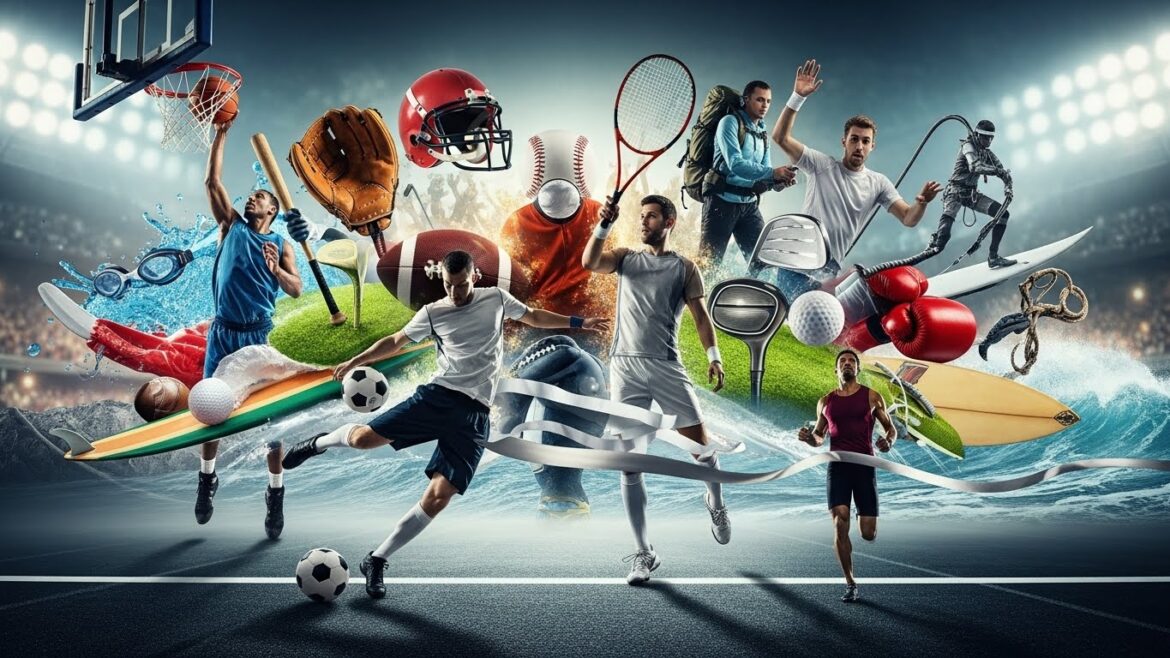
Sports have always been more than a contest of physical ability. From ancient Olympic Games to modern leagues, sports serve as a mirror reflecting human ambition, resilience, and creativity. They challenge us to push beyond limits, teach teamwork, and inspire communities around the globe. Whether it is on a local playground, a national stadium, or an international arena, sports foster values that extend far beyond the scoreboard.
In this blog, we will explore the multifaceted world of sports, delving into its physical, psychological, and societal impact. We will also examine how innovations, culture, and ethics are transforming the way we play and perceive sports today.
The Evolution of Sports: From Tradition to Modern Spectacle
Sports have evolved tremendously over centuries. Traditional games, often rooted in local culture, were initially simple tests of skill, strength, or endurance. Archery contests, wrestling, and foot races were not just entertainment but ways to prepare communities for survival and cooperation.
Modern sports, however, combine strategy, science, and entertainment. Professional leagues, international tournaments, and advanced training techniques have turned athletic performance into a science. Data analytics, biomechanics, and sports psychology now play a crucial role in refining techniques, preventing injuries, and optimizing performance. The transformation of sports from raw competition to highly strategic disciplines showcases the dynamic nature of human innovation.
Physical Benefits: Shaping the Body and Mind
The physical benefits of sports are undeniable. Regular engagement in sports improves cardiovascular health, strengthens muscles, enhances flexibility, and supports overall endurance. For children, sports develop motor skills, coordination, and healthy growth patterns. For adults, they combat sedentary lifestyles and help manage stress.
Beyond physical fitness, sports also impact mental health. Engaging in physical activity releases endorphins, chemicals that boost mood and reduce anxiety. Athletes learn resilience through challenges, discipline through training routines, and patience through long-term skill development. Sports provide a structured framework where dedication and effort lead to measurable progress, fostering both physical and psychological well-being.
The Power of Teamwork: Lessons on Collaboration
Sports are one of the most effective schools for learning teamwork. In team sports, success relies not solely on individual talent but on communication, trust, and strategy. Football, basketball, cricket, and other team-oriented games emphasize collaboration, demonstrating how collective effort often surpasses individual skill.
Teamwork in sports mirrors real-world scenarios. Players learn to navigate conflicts, motivate peers, and make split-second decisions under pressure. These skills are transferable to workplaces, academic environments, and social interactions. Participation in team sports encourages empathy and understanding, as players must adapt to different personalities while working toward shared goals.
Discipline and Character Development
Discipline is the invisible backbone of every athlete’s journey. Behind the glory of a winning goal or a record-breaking sprint is years of structured practice, dedication, and sacrifice. Sports instill habits that go beyond the field. Athletes learn to manage time, overcome failures, and consistently pursue improvement.
Character development through sports extends to ethical behavior. Fair play, respect for opponents, and integrity in competition are values that remain relevant off the field. Children and young adults who participate in organized sports often carry these principles into their personal and professional lives, demonstrating the long-term societal impact of athletic involvement.
Sports and Technology: Redefining Performance
The intersection of sports and technology has revolutionized the way athletes train, compete, and recover. Wearable devices monitor heart rates, sleep patterns, and energy expenditure, providing detailed insights into performance. Motion sensors and cameras capture precise movements, enabling coaches to identify inefficiencies and optimize techniques.
Data analytics has also transformed strategy in competitive sports. Teams analyze patterns, predict opponent behavior, and make real-time adjustments during games. Recovery technologies, such as cryotherapy and physiotherapy devices, reduce injury risks and accelerate healing. Technology ensures that sports are not only about talent but also about smart, evidence-based preparation.
The Societal Impact of Sports
Sports have the power to unite communities and inspire societal change. Major events like the Olympics or World Cup transcend national boundaries, fostering cultural exchange and collective pride. Locally, sports programs build community cohesion, offering youth safe spaces to develop skills and friendships.
Sports also serve as platforms for social activism. Athletes increasingly use their visibility to address pressing issues such as equality, climate change, and mental health awareness. The global influence of sports ensures that the messages shared on the field can resonate far beyond it, sparking dialogue and motivating action.
Women in Sports: Breaking Barriers
Historically, sports were dominated by men, but this narrative has dramatically shifted. Women athletes are breaking barriers, setting records, and redefining expectations across disciplines. Female participation in sports promotes gender equality and challenges stereotypes, inspiring future generations to pursue their passions.
Organizations and leagues dedicated to women’s sports are gaining recognition and investment, highlighting achievements that were once marginalized. Representation matters not only for athletes but for society at large, demonstrating that opportunity and success in sports should not be determined by gender.
Mental Toughness: Sports as a Training Ground for Resilience
Success in sports is as much mental as it is physical. Athletes face immense pressure, unpredictable outcomes, and intense competition. Developing mental toughness is essential for coping with failure, handling criticism, and maintaining focus under stress.
Techniques like visualization, mindfulness, and goal setting help athletes prepare psychologically for challenges. These skills translate into everyday life, teaching individuals to manage stress, stay motivated, and overcome obstacles. Sports cultivate resilience, a trait that supports personal growth and professional achievement alike.
The Economics of Sports: Beyond Tickets and Merchandising
The economic footprint of sports is immense. Professional leagues, merchandise sales, broadcasting rights, and sponsorship deals contribute billions to global economies. Stadium construction, sports tourism, and related businesses create jobs and drive urban development.
Local sports programs also have economic implications. They encourage infrastructure investment, boost local businesses, and provide opportunities for youth to explore careers in sports, coaching, or management. The financial ecosystem of sports highlights its value as both entertainment and a driver of economic growth.
Sports and Education: A Symbiotic Relationship
Sports and education are increasingly intertwined. Schools and universities recognize that athletic participation supports academic performance by improving focus, time management, and social skills. Scholarships and structured programs offer students opportunities that might otherwise be inaccessible.
Educational institutions also foster a culture of healthy competition, teamwork, and discipline. Sports act as a bridge between classroom learning and real-world challenges, equipping students with holistic skills that go beyond textbooks.
The Future of Sports: Innovation, Inclusivity, and Sustainability
The future of sports will be defined by innovation, inclusivity, and sustainability. Technological advancements such as virtual reality, augmented reality, and artificial intelligence will redefine fan experiences and training methods. Inclusivity initiatives will ensure sports are accessible to diverse communities, including those with disabilities.
Sustainable practices will reduce the environmental impact of stadiums, events, and equipment manufacturing. Sports will not only entertain but also contribute to broader global goals, demonstrating that athletic endeavors can coexist with ethical responsibility and environmental stewardship.
Conclusion: The Enduring Power of Sports
Sports are far more than games played on fields or courts. They are arenas where character is forged, communities unite, and innovation thrives. Through discipline, teamwork, and resilience, sports shape individuals while influencing societies on a global scale.
In a world often divided by differences, sports remain a universal language, connecting people across cultures and generations. They teach us to strive for excellence, respect others, and embrace both victory and defeat with grace. The enduring power of sports lies in their ability to inspire, challenge, and transform, proving that the true victory goes beyond the scoreboard.