
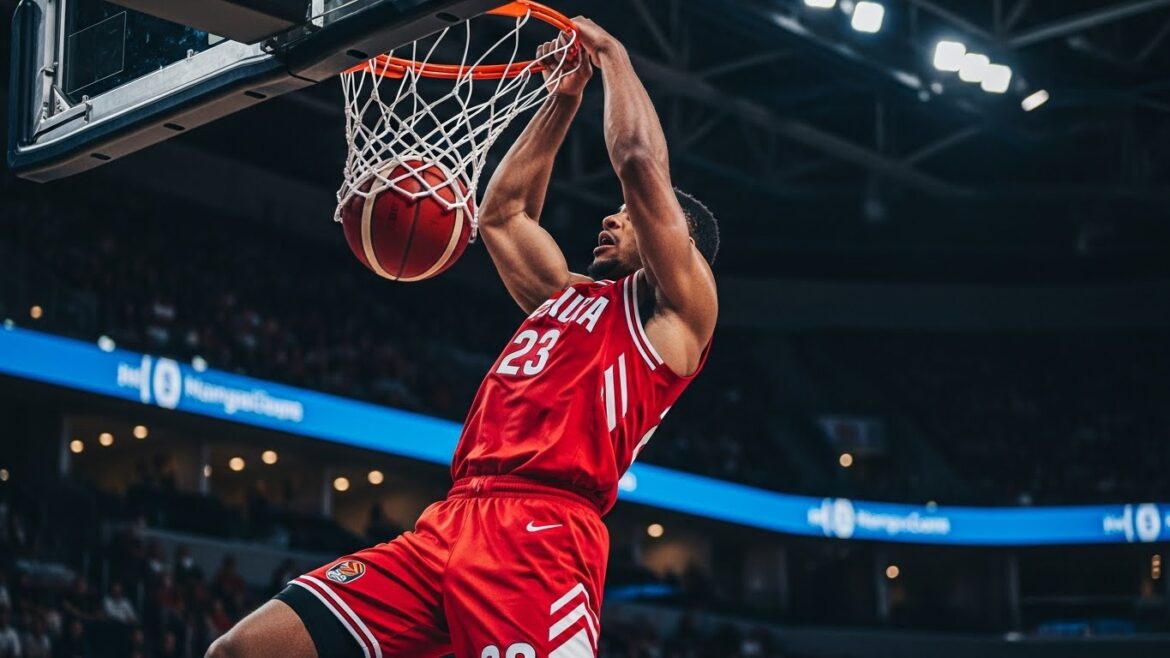
Introduction: More Than Just a Game
Sports have always been more than a contest of physical strength or skill. From dusty village fields to grand international stadiums, sports carry emotions, stories, and lessons that extend far beyond the final score. They unite strangers, ignite passions, and reflect the values of societies. Whether played professionally or casually, sports influence how people think, interact, and grow. In a rapidly changing world, sports remain a constant force that teaches discipline, resilience, and respect while creating a shared language understood across borders.
The Historical Roots of Sports
The history of sports is as old as civilization itself. Ancient societies used sports not only for entertainment but also for training warriors, honoring gods, and celebrating communal identity. Early Olympic Games in ancient Greece symbolized unity among city-states, while traditional games in Asia, Africa, and the Americas reflected local customs and survival skills. Over time, these activities evolved into organized sports with rules, governing bodies, and international recognition. Despite modernization, the core spirit of sports remains unchanged: competition balanced with respect and fairness.
Sports as a Builder of Character
One of the most powerful impacts of sports lies in character development. Athletes learn discipline through regular practice and commitment. They understand the value of hard work, as improvement rarely comes without effort. Sports also teach resilience, because losses are inevitable. Learning to accept defeat gracefully and return stronger is a lesson that applies directly to real life. Team sports, in particular, encourage cooperation, communication, and trust. Individual sports, on the other hand, foster self-reliance and mental toughness. Together, they shape well-rounded individuals prepared to face challenges beyond the playing field.
The Role of Sports in Mental and Physical Health
Sports play a vital role in maintaining physical fitness and mental well-being. Regular participation improves cardiovascular health, strength, flexibility, and coordination. Beyond physical benefits, sports are a powerful tool for mental health. Physical activity releases stress, reduces anxiety, and boosts confidence. For many people, sports provide a sense of purpose and belonging. Training routines offer structure, while competition provides motivation. In a world increasingly affected by sedentary lifestyles and digital overload, sports encourage movement, balance, and healthy habits.
Sports and the Power of Teamwork
Teamwork is one of the most valuable lessons sports offer. In team sports, individual talent alone is rarely enough to succeed. Players must understand their roles, support one another, and work toward a shared goal. This collective effort mirrors professional and social environments, where collaboration is essential. Sports teach people how to lead, how to follow, and how to compromise. A successful team is built not only on skill but also on mutual respect and trust. These lessons often stay with athletes long after their playing days are over.
Cultural Identity and National Pride
Sports are deeply connected to cultural identity and national pride. Major sporting events bring entire nations together, creating moments of shared joy and heartbreak. Fans wear colors, sing chants, and celebrate traditions that strengthen a sense of belonging. Sports also serve as a platform to showcase cultural values, discipline, and unity to the world. For smaller or developing nations, success in sports can inspire confidence and recognition on a global stage. In this way, sports become a symbol of hope and collective achievement.
The Influence of Sports Heroes
Sports heroes play a significant role in shaping aspirations, especially among young people. Athletes who rise from humble beginnings to global recognition become symbols of possibility. Their journeys often reflect dedication, sacrifice, and perseverance. While fame brings responsibility, many athletes use their influence to promote positive change, inspire youth, and support social causes. Even beyond professional success, local sports figures often act as role models, encouraging discipline, education, and healthy lifestyles within their communities.
Sports and Social Change
Throughout history, sports have contributed to social change by challenging barriers and promoting inclusion. Sporting arenas have been stages where issues of equality, gender rights, and racial justice have been highlighted. Participation in sports empowers marginalized groups by providing visibility and opportunity. Women’s sports, in particular, have grown significantly, inspiring new generations to challenge stereotypes and pursue their ambitions. Sports have the unique ability to bring attention to important issues while fostering dialogue and understanding among diverse groups.
The Business and Economics of Sports
Modern sports have evolved into a global industry influencing economies worldwide. Professional leagues generate employment, tourism, and media revenue. Sporting events boost local businesses and infrastructure development. However, commercialization also brings challenges, such as balancing profit with integrity and athlete welfare. Despite these complexities, the economic impact of sports remains undeniable. When managed responsibly, sports can drive development while preserving their core values of fairness and competition.
Grassroots Sports and Community Development
While professional sports often dominate headlines, grassroots sports are the foundation of lasting impact. Community-level sports programs encourage participation, inclusion, and healthy lifestyles. They provide safe spaces for youth to develop skills, confidence, and friendships. Grassroots sports also help identify talent and nurture future athletes. More importantly, they strengthen community bonds by bringing people together around shared activities and goals. The true spirit of sports often shines brightest at this level, where passion outweighs pressure.
Technology and the Future of Sports
Technology has transformed how sports are played, watched, and analyzed. Advanced training methods, performance analysis, and injury prevention tools have improved athlete longevity and performance. Fans now experience sports through immersive broadcasts and real-time updates. While technology enhances accuracy and engagement, it also raises questions about fairness and tradition. The challenge lies in embracing innovation without losing the human element that makes sports emotionally powerful and unpredictable.
Life Lessons Beyond the Field
Perhaps the greatest gift of sports is the life lessons they teach. Sports show that success is rarely immediate and that progress often comes through persistence. They teach respect for opponents, officials, and rules. Sports remind us that effort matters, regardless of outcome. These lessons shape attitudes toward work, relationships, and personal goals. Long after trophies fade, the values learned through sports continue to guide decisions and behavior.
Conclusion: The Enduring Spirit of Sports
Sports endure because they touch something deeply human. They combine competition with creativity, discipline with joy, and individuality with community. In every match, race, or game, there is a story of effort, hope, and emotion. Sports connect generations, cultures, and nations through a shared love of play. Beyond medals and records, sports shape character, strengthen communities, and inspire dreams. In a world full of differences, sports remind us of what we share: the desire to strive, to belong, and to celebrate the thrill of the game.