
Introduction: More Than Just Games
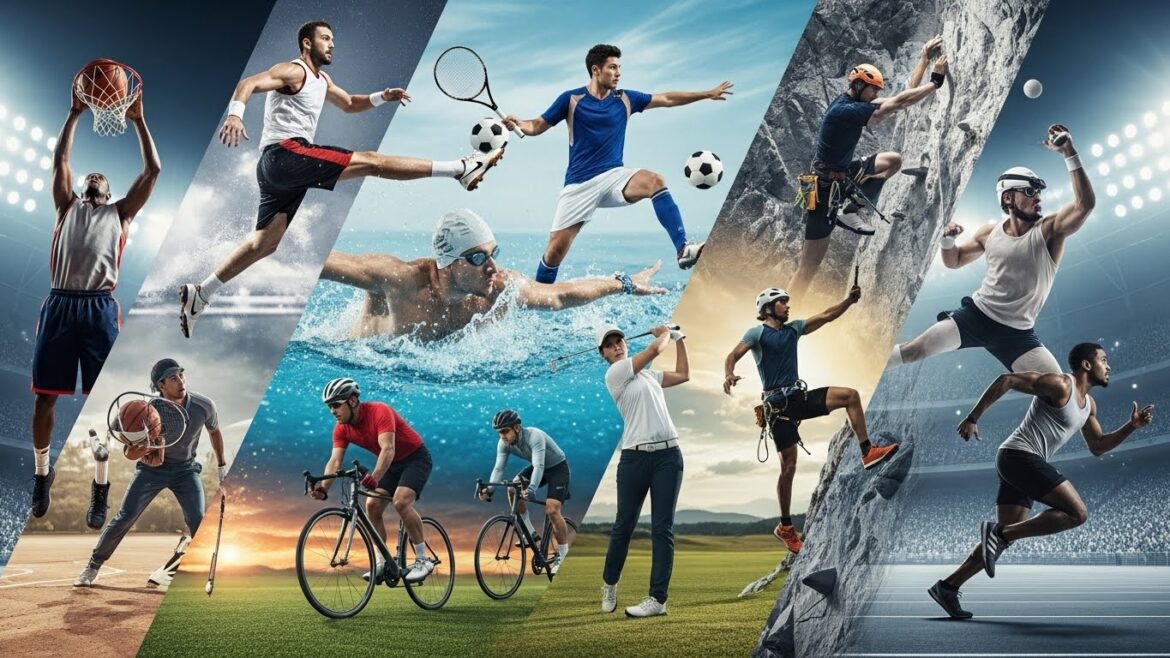
Sports have always been more than physical contests played on fields, courts, or tracks. They are living stories of struggle, discipline, joy, and heartbreak that connect people across borders, languages, and generations. From informal street games to grand international tournaments, sports influence how individuals grow, how societies bond, and how cultures express themselves. While fans often focus on scores and trophies, the deeper value of sports lies in the lessons they teach and the communities they build. This blog explores sports not merely as entertainment, but as a powerful force shaping human character and collective identity.
The Historical Roots of Sports
The origins of sports can be traced back thousands of years. Ancient civilizations used physical competition as a way to train warriors, celebrate religious festivals, and promote unity. The Olympic Games in ancient Greece were not just athletic events but cultural gatherings that honored gods and encouraged peace among rival city-states. Similarly, traditional games in Asia, Africa, and the Americas reflected local values and survival skills. Over time, these activities evolved into organized sports with rules and institutions, but their core purpose remained the same: to challenge human limits and bring people together.
Sports and Personal Development
Participation in sports plays a vital role in personal growth. Athletes learn discipline by committing to regular training and respecting rules. They develop resilience by facing defeat and finding the courage to try again. Team sports, in particular, teach cooperation, communication, and trust. Even individual sports encourage self-awareness and mental strength, as athletes must manage pressure and remain focused. These qualities extend beyond the playing field, helping individuals succeed in education, careers, and relationships.
The Role of Sports in Mental Well-Being
Sports contribute significantly to mental health. Physical activity releases stress and improves mood, offering a natural way to cope with anxiety and emotional challenges. Being part of a team creates a sense of belonging, reducing feelings of isolation. For spectators, sports provide excitement, hope, and shared experiences that strengthen emotional connections with others. In a fast-paced modern world, sports offer moments of escape and inspiration that refresh the mind.
Sports as a Social Connector
One of the most powerful aspects of sports is their ability to unite people. A single match can bring together individuals from different backgrounds, beliefs, and social classes. Fans wearing the same colors or chanting the same slogans experience a sense of unity that transcends daily differences. Local sports clubs often serve as community hubs where friendships form and traditions are passed down. On a larger scale, international events promote cultural exchange and mutual respect among nations.
Cultural Identity and National Pride
Sports are deeply linked to cultural identity. Certain sports become symbols of national pride, representing history and collective aspirations. Victories on the global stage can boost morale and inspire confidence in a nation’s potential. Traditional sports also preserve cultural heritage, keeping ancient practices alive in a modern context. Through rituals, uniforms, and styles of play, sports reflect the values and creativity of different societies.
The Influence of Role Models
Athletes often become role models, especially for young people. Their dedication, perseverance, and achievements inspire others to pursue excellence. When athletes use their platforms responsibly, they can promote positive values such as fairness, respect, and social responsibility. However, this influence also comes with responsibility, as actions on and off the field can shape public attitudes. Sports therefore highlight the importance of character alongside talent.
Sports and Education
The connection between sports and education is strong. Schools and universities use sports to promote physical fitness and teamwork among students. Student-athletes learn to balance academics with training, developing time management skills. Sports programs also encourage school spirit and engagement, creating a more vibrant learning environment. For some students, sports provide opportunities for scholarships and access to higher education, opening doors that might otherwise remain closed.
Economic Impact of Sports
Sports have a significant economic dimension. Professional leagues create jobs for athletes, coaches, managers, and support staff. Events generate revenue through ticket sales, merchandise, and tourism. Local economies often benefit from sports infrastructure and related businesses. While commercialization can sometimes overshadow the spirit of the game, responsible management ensures that economic growth supports athletes and communities alike.
Ethics, Fair Play, and Challenges
Despite their positive impact, sports face ethical challenges. Issues such as unfair practices, excessive commercialization, and unequal access can undermine integrity. Fair play remains a central principle, emphasizing respect for opponents and adherence to rules. Addressing challenges requires strong governance, education, and a commitment to values that prioritize human well-being over mere victory. When sports uphold fairness, they retain their power to inspire trust and admiration.
The Future of Sports
As technology advances, sports continue to evolve. Training methods, performance analysis, and fan engagement are changing rapidly. At the same time, there is growing awareness of inclusivity, with increased opportunities for women, differently-abled athletes, and underrepresented groups. The future of sports depends on balancing innovation with tradition, ensuring that progress enhances rather than diminishes the human essence of competition.
Conclusion: The Lasting Legacy of Sports
Sports are woven into the fabric of human life. They challenge bodies, sharpen minds, and connect hearts. Beyond trophies and records, sports leave a lasting legacy of shared memories, life lessons, and social bonds. Whether played in a neighborhood park or watched on a global stage, sports remind us of our common humanity and our endless capacity to strive, improve, and unite. In this way, sports truly go beyond the scoreboard, shaping not only champions, but better individuals and stronger communities.