
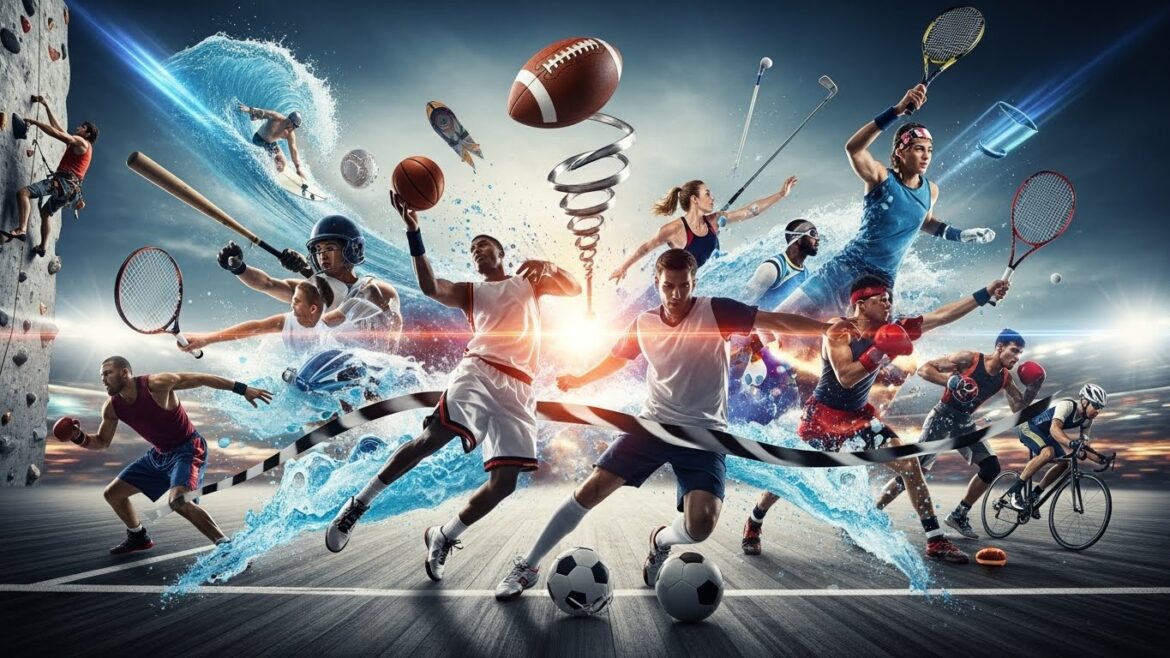
Sports have always been an integral part of human society. From ancient Olympic Games in Greece to modern-day professional leagues, sports have evolved to become more than just physical activities—they are a reflection of culture, determination, teamwork, and passion. In today’s world, sports are not merely about winning or losing; they carry the potential to unify communities, shape character, and inspire generations.
The Evolution of Sports Through Time
The history of sports dates back thousands of years. Ancient civilizations engaged in physical activities not just for entertainment but for survival, training, and ritualistic purposes. Wrestling, running, and archery were essential skills for hunters and warriors. Over time, these activities transformed into organized competitions. The Olympic Games, first held in 776 BC, are a testament to how sports were already a sophisticated platform for showcasing talent, strength, and national pride in ancient times.
With the rise of modern civilizations, sports became more codified. Football, cricket, basketball, and tennis emerged with structured rules and organized competitions. The development of professional leagues and international tournaments has transformed sports into a global phenomenon. Today, sports events attract millions of viewers and participants worldwide, highlighting not just athletic prowess but the power of collective enthusiasm and cultural significance.
Sports as a Catalyst for Physical Health
One of the most obvious benefits of sports is the promotion of physical health. Regular participation in sports enhances cardiovascular endurance, muscular strength, flexibility, and overall fitness. Activities such as swimming, running, cycling, and team sports keep individuals physically active, reducing the risk of lifestyle-related diseases such as obesity, diabetes, and heart disease.
Beyond physical health, sports encourage long-term healthy habits. Engaging in physical activities from a young age often leads to a lifetime of fitness awareness. Children and teenagers involved in sports develop routines that emphasize exercise, proper nutrition, and mental well-being. In this sense, sports act as a foundation for building a healthier society.
Mental Benefits and Emotional Resilience
While the physical advantages of sports are well-documented, the mental and emotional benefits are equally significant. Participation in sports can reduce stress, anxiety, and depression. Engaging in physical activity triggers the release of endorphins, chemicals that elevate mood and enhance feelings of happiness. Sports also provide an outlet for managing emotions, offering a healthy way to cope with daily challenges.
Moreover, sports teach resilience and emotional regulation. Athletes learn to handle pressure, face setbacks, and recover from failures. A missed goal or a lost match becomes a lesson in perseverance. These experiences extend beyond the field, equipping individuals with skills to navigate personal and professional challenges in life.
Building Character and Life Skills
Sports are not just about skill and strength—they are a powerful tool for character development. Team sports, in particular, emphasize cooperation, communication, and leadership. Players learn to work together toward a common goal, understand the importance of strategy, and respect the strengths and weaknesses of their teammates.
Individual sports, on the other hand, cultivate discipline, self-motivation, and focus. Athletes must train consistently, set achievable goals, and maintain self-discipline to improve their performance. These qualities are transferable to other aspects of life, such as academics, career, and personal relationships. In essence, sports are a training ground for life itself.
The Social Impact of Sports
Sports have a unique ability to bring people together across social, cultural, and economic divides. Stadiums, arenas, and community fields become spaces where people from diverse backgrounds unite to cheer for their favorite teams. The shared experience of victory or defeat fosters a sense of belonging and camaraderie.
International sports events, such as the FIFA World Cup or the Olympics, exemplify the power of sports to transcend borders. Nations come together, celebrating excellence and fair competition, promoting mutual respect and understanding. Even at the local level, community leagues and school tournaments strengthen social ties and build a sense of collective identity.
The Role of Sports in Youth Development
For young people, sports serve as a crucial platform for personal growth and development. Participation in sports helps youth develop essential life skills such as teamwork, communication, and conflict resolution. It provides structure, instills a sense of responsibility, and encourages goal-setting.
Sports also offer opportunities for talent discovery and career development. Many professional athletes began their journeys in school or community programs, proving that nurturing young talent is essential for sustaining sports culture. Beyond professional aspirations, sports provide an avenue for self-expression, confidence-building, and discovering one’s strengths.
Economic Significance of Sports
Sports are not just culturally and socially important—they are economically significant as well. The sports industry generates employment across multiple sectors, including coaching, management, marketing, media, and sports medicine. Professional leagues, tournaments, and events create revenue streams for cities and nations, boosting tourism, infrastructure development, and local economies.
Merchandising, broadcasting rights, and sponsorship deals have transformed sports into a lucrative global industry. Athletes themselves contribute to economic activity through endorsements, public appearances, and charitable initiatives. The financial aspect of sports underscores its widespread influence, extending beyond the playing field.
Sports and Technology: A New Era
In recent decades, technology has revolutionized sports in multiple ways. Advanced equipment, wearable devices, and analytics have transformed training, strategy, and performance evaluation. Athletes can monitor every aspect of their fitness, enabling precise improvements and injury prevention.
Technology has also enhanced the fan experience. Virtual reality, live streaming, and interactive platforms allow fans to engage with sports events like never before. Social media creates a direct connection between athletes and audiences, shaping global sports culture and broadening access to games across borders.
Inspirational Stories and Role Models
Sports are a rich source of inspiration. Stories of athletes overcoming adversity, breaking records, and achieving greatness motivate millions around the world. From underdog victories to comebacks against all odds, these narratives resonate deeply, reinforcing the values of determination, courage, and resilience.
Athletes often become role models, influencing society beyond the arena. Their discipline, philanthropic efforts, and advocacy for social causes highlight the potential of sports to drive positive change. Young fans emulate their heroes, adopting the mindset of hard work, perseverance, and ethical conduct.
Challenges in the World of Sports
Despite its many benefits, sports face several challenges. Issues such as doping, corruption, commercialization, and gender inequality have at times tainted the spirit of competition. The pressure to perform can also lead to mental health issues among athletes, including stress, burnout, and anxiety.
Addressing these challenges requires collective efforts from governing bodies, coaches, athletes, and fans. Promoting fair play, ethical standards, and inclusivity is essential to preserve the integrity and positive impact of sports. Awareness and education play a crucial role in creating a safer and more equitable sports environment.
The Future of Sports
The future of sports holds exciting possibilities. Innovations in technology, increased globalization, and evolving societal attitudes will shape how sports are played, watched, and celebrated. E-sports, for example, has emerged as a new form of competitive entertainment, attracting millions of participants and viewers worldwide.
Moreover, sports are expected to become even more inclusive, embracing diversity across gender, age, and ability. Adaptive sports for differently-abled athletes, women’s professional leagues, and grassroots development programs ensure that sports remain accessible and empowering for everyone.
Conclusion: More Than a Game
Sports are far more than just games played on fields or courts—they are a reflection of human potential, resilience, and unity. They shape individuals, strengthen communities, and inspire generations. Through physical activity, mental growth, social connection, and cultural expression, sports embody values that transcend boundaries and stand as a testament to human spirit.
Whether played professionally or recreationally, sports have the power to teach lessons that go beyond competition. They remind us that life, like a game, requires discipline, teamwork, perseverance, and above all, a passion to keep moving forward. In a world often divided by differences, sports serve as a universal language, celebrating what unites us rather than what separates us.