
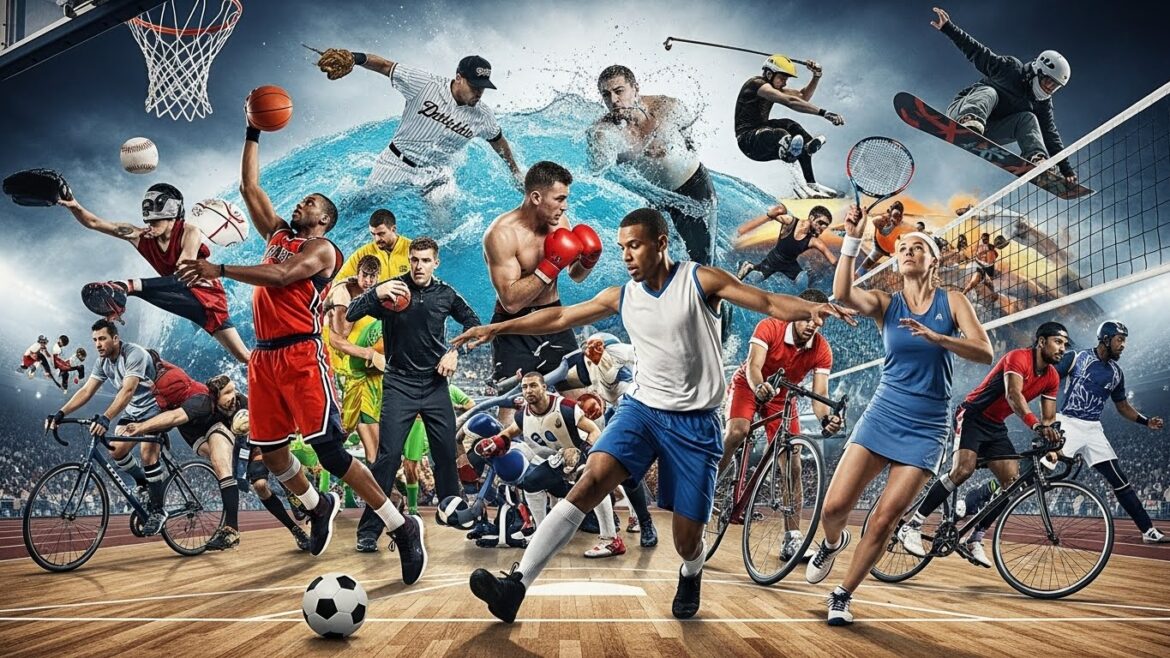
Sports have always been more than just a pastime. From the crack of a bat to the roar of the crowd, sports captivate hearts and minds across the globe. They are not merely games but mirrors of society, shaping cultures, fostering personal growth, and bringing communities together. While spectators often focus on scores and records, the real essence of sports lies in the lessons, discipline, and unity they inspire. This blog delves into the transformative power of sports, examining its impact on individuals, communities, and global society.
The Physical Benefits of Sports
One of the most obvious benefits of participating in sports is physical health. Regular engagement in physical activities such as soccer, swimming, tennis, or running helps maintain a healthy weight, strengthens muscles, improves cardiovascular health, and boosts immunity. Beyond the obvious physical advantages, sports also enhance coordination, flexibility, and stamina. For young people, participating in sports from an early age lays the foundation for a lifelong habit of physical activity, reducing the risk of chronic illnesses in adulthood. The discipline of training also teaches the importance of self-care and maintaining a balanced lifestyle, which extends far beyond the playing field.
Mental Health and Emotional Well-Being
While sports are often associated with physical health, their influence on mental well-being is equally significant. Engaging in sports releases endorphins, the body’s natural mood elevators, which help reduce stress, anxiety, and depression. Team sports, in particular, teach resilience and coping strategies in the face of both victory and defeat. Athletes learn to manage pressure, maintain focus, and persevere despite setbacks, skills that are transferable to everyday life challenges. Even spectators can experience mental health benefits; cheering for a favorite team or following a personal fitness journey can provide motivation, purpose, and a sense of community.
Character Development Through Sports
Sports have an unparalleled ability to cultivate character. Participation fosters qualities such as discipline, commitment, and leadership. Athletes learn that success is rarely instantaneous; it comes through consistent effort, hard work, and the willingness to learn from failures. This resilience builds confidence and self-esteem, empowering individuals to tackle challenges in other areas of life. Furthermore, sports often require collaboration and communication, especially in team settings, teaching essential interpersonal skills. Respect for opponents, adherence to rules, and the ability to handle wins and losses gracefully are foundational principles that extend beyond the field, shaping well-rounded individuals.
Sports as a Vehicle for Social Change
Throughout history, sports have played a crucial role in social transformation. They have been instrumental in breaking down racial, gender, and cultural barriers, providing a platform for equality and inclusion. From historic moments that challenged segregation to modern movements promoting gender equality in athletics, sports have consistently reflected and influenced societal values. Moreover, global sporting events like the Olympics and World Cup foster international camaraderie and cultural exchange, encouraging unity in diversity. By inspiring collective pride and shared goals, sports have the power to bring communities and nations closer together, transcending language and geographical boundaries.
The Role of Youth Sports in Education
Youth participation in sports extends beyond physical activity and entertainment; it complements educational development. Schools and community programs that encourage athletic involvement provide young people with opportunities to develop time management skills, set goals, and work within structured environments. Student-athletes often exhibit higher levels of academic motivation, as the discipline cultivated through sports translates into better study habits and performance in the classroom. Sports also offer pathways for scholarships and higher education opportunities, making it a vital component of personal and professional growth for many young individuals.
Economic Impact of Sports
Sports are not only a cultural phenomenon but also a significant economic driver. Professional leagues, tournaments, and athletic events generate revenue, create jobs, and stimulate tourism. Beyond professional sports, the fitness industry, sports equipment manufacturing, and local recreational programs contribute to economic growth. Major sporting events, even at the community level, attract sponsorships, increase local business activity, and create infrastructure improvements. The economic benefits of sports extend far beyond the stadium, influencing industries and livelihoods across various sectors.
The Evolution of Technology in Sports
Technology has revolutionized the way sports are played, analyzed, and enjoyed. From instant replay systems to wearable fitness trackers, advancements in technology enhance athlete performance and fan experience. Video analysis allows coaches to refine strategies and optimize player skills, while data analytics offers insights into player performance and injury prevention. Even spectators experience the benefits through immersive viewing experiences, live statistics, and interactive platforms that bring the game closer to fans. The intersection of sports and technology continues to push the boundaries of performance, safety, and entertainment.
Sportsmanship and Ethical Values
At its core, sports emphasize the importance of ethics and fair play. Sportsmanship is a principle that goes beyond the game, teaching respect, honesty, and integrity. Winning with humility and losing with grace are lessons that extend into personal and professional life. Ethical behavior in sports also highlights the importance of responsibility, accountability, and teamwork. These values are crucial in cultivating a society where individuals understand the balance between competition and cooperation, ambition and fairness.
Global Sports Phenomenon
Sports have a universal language that transcends cultures, nations, and languages. Events such as the FIFA World Cup, the Olympic Games, and international cricket tournaments captivate millions, fostering a sense of global connection. Athletes often become role models, inspiring people worldwide through their dedication, achievements, and humanitarian efforts. This universal appeal of sports demonstrates its capacity to unify humanity, offering common ground amidst diversity. Beyond entertainment, sports contribute to international diplomacy, cultural exchange, and global awareness.
Personal Stories of Transformation
Countless stories exemplify how sports can transform lives. Individuals overcoming personal adversity, communities rebuilding through local athletic programs, and youth discovering purpose and passion through sports illustrate the profound impact of athletic engagement. These narratives highlight that sports are not just about fame or financial gain; they are about personal growth, resilience, and the pursuit of excellence. Each game played, goal scored, or milestone achieved contributes to a larger story of human determination and spirit.
Conclusion: The Lasting Impact of Sports
Sports are far more than a competition of physical prowess; they are a reflection of human potential and societal values. They promote physical and mental health, cultivate character, drive economic growth, and bridge cultural divides. Sports inspire individuals to reach their best selves, teach valuable life lessons, and unite communities across the globe. Whether playing, coaching, or cheering from the stands, the influence of sports is profound, shaping individuals and societies in ways that extend well beyond the final whistle.
In the end, the beauty of sports lies not just in the games won or records broken but in the lives touched, the bonds formed, and the values instilled. Every sprint, pass, and goal tells a story of perseverance, collaboration, and hope. Sports remind us that greatness is not only measured by victory but also by the courage to compete, the integrity to play fair, and the heart to inspire.