
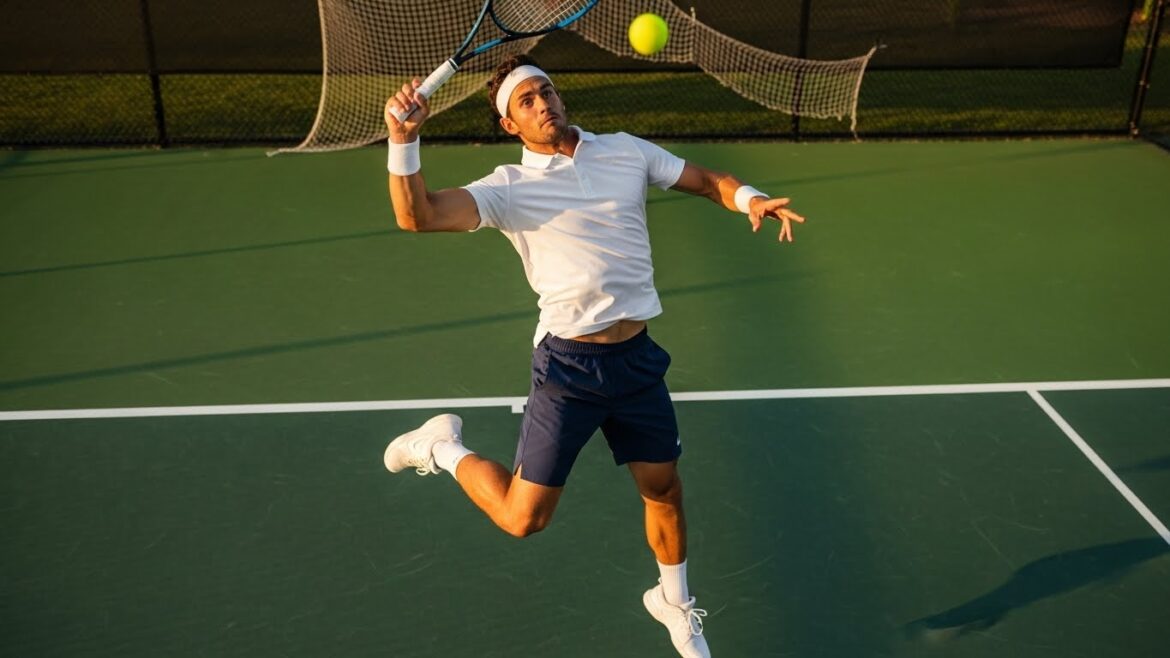
Introduction: Sports as a Universal Language
Sports are more than physical activities or competitive events—they are a universal language that transcends borders, cultures, and generations. From local playgrounds to international stadiums, sports bring people together, inspire individuals, and foster a sense of community. They teach values such as discipline, perseverance, teamwork, and resilience. Sports influence physical health, mental well-being, and social cohesion, making them a vital part of human life. In this blog, we explore how sports shape individuals, communities, and societies while leaving a lasting impact on culture and identity.
Physical Health and Fitness Benefits
One of the most apparent benefits of sports is its impact on physical health. Regular participation strengthens the cardiovascular system, improves muscle tone, enhances flexibility, and boosts endurance. Activities such as running, swimming, cycling, and team sports provide comprehensive workouts while improving coordination and balance. Sports also help maintain healthy body weight, reduce the risk of chronic illnesses like diabetes and hypertension, and promote overall longevity. Engaging in sports encourages a healthy lifestyle, instilling habits that benefit individuals throughout their lives.
Mental and Emotional Benefits
Sports offer profound mental and emotional benefits. Physical activity triggers the release of endorphins, improving mood and reducing stress, anxiety, and depression. Competitive sports teach focus, discipline, and resilience, helping individuals manage setbacks and challenges. Team sports foster a sense of belonging and emotional support, while individual sports promote self-confidence and personal growth. Participation in sports can also improve cognitive function, memory, and decision-making skills, demonstrating that the benefits extend far beyond the physical domain.
Teamwork and Leadership Skills
Team sports are invaluable for developing teamwork and leadership skills. Players learn to communicate effectively, collaborate toward common goals, and support one another through victories and defeats. Leadership qualities emerge as team captains and players motivate peers, make strategic decisions, and assume responsibility. These skills are transferable to other areas of life, including education, career, and personal relationships. Sports teach individuals how to work cohesively in groups while cultivating empathy, understanding, and the ability to manage conflict.
Sports as a Cultural Connector
Sports have a unique ability to unite people across cultural, social, and national boundaries. Global events like the Olympics, FIFA World Cup, and international cricket tournaments bring together athletes and fans from diverse backgrounds. These events foster cultural exchange, national pride, and shared experiences. Sports also serve as a platform for social awareness, highlighting issues such as equality, inclusion, and fair play. By bridging differences, sports create a sense of global community and strengthen the social fabric.
Discipline and Time Management
Engaging in sports requires discipline and effective time management. Athletes must adhere to structured training schedules, maintain proper nutrition, and balance rest and recovery. Learning to prioritize and manage time is essential for success, whether at amateur or professional levels. These habits often translate into academic, professional, and personal contexts. Discipline in sports builds perseverance, accountability, and a strong work ethic, preparing individuals for the challenges and responsibilities of daily life.
The Role of Sports in Education
Sports play a critical role in education, promoting holistic development. Schools and universities often integrate athletic programs to encourage physical fitness, strategic thinking, and social skills. Participation in sports enhances concentration, cognitive function, and academic performance. It also instills essential life skills such as resilience, goal-setting, and sportsmanship. Scholarships and professional pathways in sports provide opportunities for talented individuals to pursue education while excelling athletically, demonstrating the synergy between learning and physical activity.
Inspiration and Motivation
Sports inspire individuals to push beyond their limits and strive for excellence. Stories of athletes overcoming adversity, breaking records, and achieving success resonate universally. Sports heroes embody determination, resilience, and dedication, becoming role models for younger generations. The achievements and perseverance of athletes motivate individuals to pursue personal goals, whether in sports, education, or career. Sports teach that hard work, consistency, and self-belief can turn aspirations into reality.
Economic Impact of Sports
Sports have a substantial economic influence. Professional leagues, tournaments, merchandise, and broadcasting rights generate significant revenue. Major sporting events stimulate tourism, infrastructure development, and local businesses. Jobs in coaching, administration, event management, and sports media provide employment opportunities globally. The sports industry also drives innovation in technology, training methods, and equipment. The economic significance of sports underscores their role not only as entertainment but also as a vital sector contributing to growth and development.
Community Development Through Sports
Sports foster community engagement and social cohesion. Local leagues, recreational programs, and neighborhood tournaments create spaces for people to gather, interact, and develop meaningful relationships. Grassroots initiatives focus on youth development, mentorship, and life skills, promoting positive growth. Sports bring communities together through shared experiences, celebrations, and collective support. By nurturing inclusion, camaraderie, and mutual respect, sports strengthen community bonds and foster a sense of belonging.
The Role of Technology in Sports
Technology has transformed sports in numerous ways, from performance analysis to fan engagement. Wearable devices track athletes’ fitness, movement, and performance metrics. Video replay and analytical tools assist coaches in refining strategies and improving decision-making. Digital platforms allow fans to follow games in real-time, engage with teams, and participate in interactive experiences. Technology enhances accessibility, fairness, and entertainment value, demonstrating that sports and innovation go hand in hand.
Challenges and Controversies in Sports
Despite its benefits, sports face challenges and controversies. Issues such as doping, corruption, match-fixing, and discrimination threaten fairness and integrity. Intense competition can lead to burnout, mental health struggles, and physical injuries. Addressing these challenges requires strong governance, ethical practices, and a focus on athlete welfare. Ensuring inclusivity, equity, and transparency is critical to preserving the positive impact of sports on individuals and society.
Sports for Personal Transformation
Participation in sports can be life-changing. Individuals develop resilience, confidence, and a sense of purpose through athletic pursuits. Sports teach coping mechanisms for failure, the value of persistence, and the joy of achievement. Recreational sports offer stress relief and social interaction, while competitive sports encourage dedication, focus, and goal-setting. Regardless of level, sports provide a framework for personal growth, character development, and self-discovery.
The Future of Sports
The future of sports is shaped by technological advancements, increased inclusivity, and evolving audience engagement. Innovations such as virtual reality, wearable tech, and data analytics will enhance performance, training, and fan experiences. Esports and hybrid sports models are expanding the definition of athletic competition. Globalization continues to foster cross-cultural collaboration and international participation. Sports will remain a powerful medium for entertainment, education, and personal development, evolving to meet the needs of future generations.
Conclusion: The Enduring Power of Sports
Sports are far more than games—they are a way of life, shaping physical health, mental resilience, character, and community. From fostering teamwork and discipline to inspiring motivation and cultural connection, sports leave a lasting imprint on individuals and societies. By embracing ethical practices, inclusivity, and innovation, sports continue to enrich lives, unite communities, and empower individuals to achieve their potential. The lessons learned on the field extend far beyond competition, making sports a transformative force that will continue to inspire generations to come.