
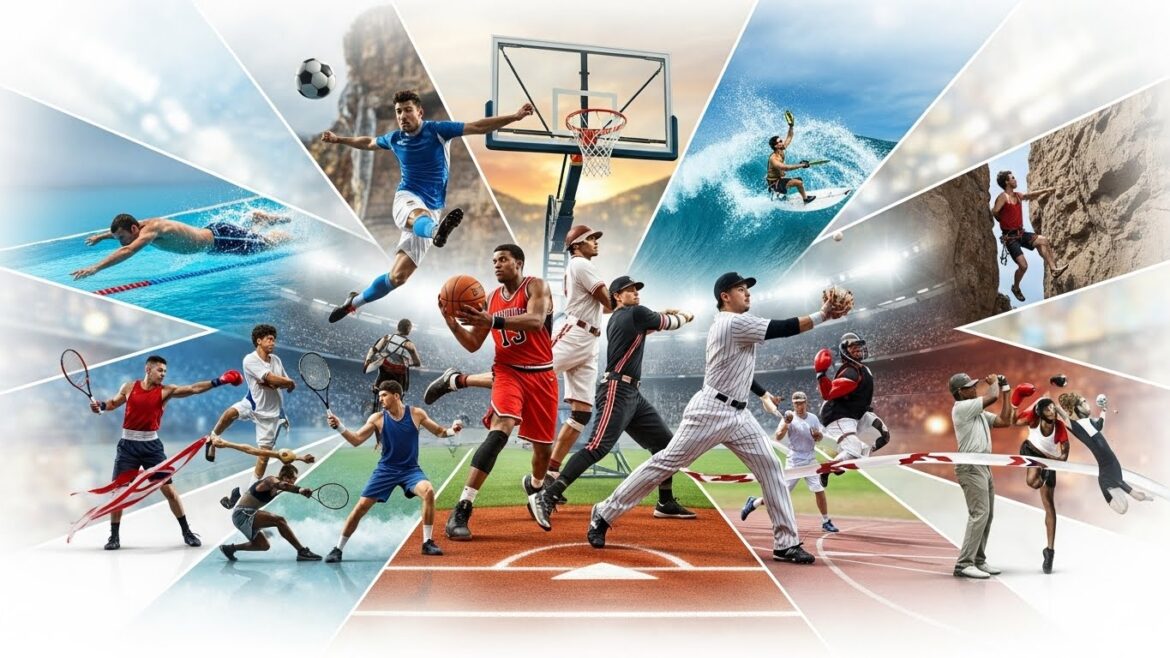
Introduction: The Universal Appeal of Sports
Sports are more than a pastime; they are a universal language that unites people across cultures, ages, and backgrounds. From casual neighborhood games to professional leagues and international competitions, sports bring joy, challenge, and inspiration. They provide opportunities for physical development, mental growth, and social interaction. Beyond personal benefits, sports also reflect societal values, cultural identity, and collective aspirations, making them a powerful force in shaping human experiences.
A Brief History of Sports
The history of sports dates back thousands of years. Ancient civilizations engaged in physical contests for recreation, ritual, and social cohesion. The Greeks held the Olympic Games to honor their gods, celebrating athletic prowess and competition. In Rome, gladiatorial contests and chariot races were central to entertainment and social life. Over centuries, sports evolved with structured rules, organized leagues, and global recognition. The revival of the Olympic Games in the late 19th century symbolized international collaboration and the spirit of fair competition. This rich history illustrates humanity’s enduring fascination with physical challenge and collective celebration.
Physical and Mental Benefits of Sports
Participation in sports has profound physical and mental benefits. Physically, sports improve cardiovascular health, strength, agility, and endurance. Activities like running, swimming, and team sports enhance coordination and overall fitness. Mentally, sports reduce stress, improve focus, and promote emotional resilience. They teach players to handle success and failure, manage pressure, and maintain discipline. Engaging in regular sports activity fosters a sense of achievement and personal growth that extends beyond the playing field.
Teamwork and Collaboration
Sports are excellent tools for developing teamwork and collaboration skills. In team sports like soccer, basketball, and volleyball, success depends on coordination, communication, and strategic planning. Players learn to trust one another, share responsibilities, and support teammates through challenges. These lessons translate into other areas of life, enhancing leadership, interpersonal skills, and the ability to work effectively in group settings. Team sports demonstrate that collective effort often produces better results than individual achievement.
Sports as a Cultural Phenomenon
Sports are deeply embedded in cultural identity. Iconic athletes become symbols of national pride, perseverance, and inspiration. Major events like the FIFA World Cup, the Olympics, or regional championships unite millions, transcending language and geography. Local sports traditions and indigenous games preserve cultural heritage and community values. Through media coverage, sports influence fashion, music, and lifestyle trends. They are both a reflection of society and a force that shapes social norms and cultural expression.
Sports and Education
Incorporating sports into education offers numerous benefits. Schools and universities use athletic programs to promote physical health, discipline, and social interaction. Participation in sports enhances time management, concentration, and resilience. Competitions and tournaments provide students with opportunities to develop confidence and leadership skills. Scholarships and sports programs also open doors for higher education, blending athletic excellence with academic achievement. Sports in education cultivate well-rounded individuals equipped with life skills beyond the classroom.
Professional Sports and Economic Impact
Professional sports are a major economic driver worldwide. Leagues, clubs, and events generate significant revenue through ticket sales, merchandise, broadcasting rights, and sponsorship deals. Athletes, coaches, and support staff contribute to employment and economic activity. Mega-events like the Olympics and World Cups boost tourism, hospitality, and local businesses. The professional sports industry also encourages technological innovation, from performance analytics to fan engagement platforms. This economic influence demonstrates that sports extend beyond entertainment, impacting societies on a larger scale.
Technology in Sports
Technological advancements have revolutionized sports in training, performance, and audience experience. Wearable devices track athletes’ vital signs, monitor performance, and prevent injuries. Video analysis and motion tracking improve technique and strategy. Virtual reality and augmented reality create immersive fan experiences, allowing spectators to engage with games in new ways. Technology enhances fairness through tools like goal-line systems and instant replays. The integration of innovation ensures that sports remain competitive, entertaining, and evolving with modern trends.
Women in Sports: Breaking Barriers
The role of women in sports has expanded dramatically over recent decades. Female athletes excel in diverse disciplines, from athletics and football to martial arts and cricket. Increased visibility, media coverage, and sponsorship have amplified opportunities and inspired new generations. Women’s sports emphasize inclusivity, equality, and empowerment, challenging historical stereotypes. Celebrating female athletes highlights the importance of access, representation, and recognition, ensuring that sports continue to be a platform for societal progress.
Sportsmanship and Ethics
Sports instill values such as integrity, fairness, and respect. Players learn to adhere to rules, honor opponents, and accept referees’ decisions gracefully. Good sportsmanship promotes ethical behavior both on and off the field. Fans also play a role in respecting athletes and appreciating effort rather than only outcomes. By fostering ethical principles, sports contribute to the development of character, moral judgment, and social responsibility, reinforcing positive behavior within and outside the sporting arena.
Sports and Social Inclusion
Sports provide opportunities for social inclusion and community development. Adaptive sports programs enable people with disabilities to participate in competitions and recreational activities. Community leagues and grassroots initiatives create spaces for engagement, mentorship, and personal growth. Sports can unite diverse populations, promoting understanding, cooperation, and mutual respect. By making athletic opportunities accessible, society benefits from healthier, more connected, and more empowered communities.
The Globalization of Sports
Globalization has transformed sports into a worldwide phenomenon. International tournaments, athlete exchanges, and global media coverage connect fans across continents. Sports tourism and international collaborations bring diverse cultures together, fostering mutual understanding and cultural exchange. The globalization of sports elevates competition, drives talent development, and ensures that sports are a shared experience that transcends borders, creating a universal language of passion and dedication.
Sports and Mental Health
Participation in sports significantly benefits mental health. Physical activity releases endorphins that alleviate stress and enhance mood. Team interactions and competitive experiences build confidence, resilience, and a sense of accomplishment. Sports also provide an outlet for expressing emotions and managing anxiety. Both recreational and professional engagement in sports support psychological well-being, demonstrating the powerful link between physical activity and mental health.
Youth Development through Sports
Sports are critical in shaping the next generation. They teach young people discipline, goal-setting, and perseverance. Engaging in sports helps develop social skills, leadership qualities, and a sense of responsibility. Youth programs and competitions provide structured environments for growth, teamwork, and mentorship. Early involvement in sports nurtures lifelong habits of health, activity, and engagement, laying the foundation for productive and balanced adult lives.
The Future of Sports
The future of sports promises innovation, inclusivity, and sustainability. Emerging technologies like virtual reality, artificial intelligence, and performance analytics will enhance training, strategy, and fan experience. Inclusive programs will ensure accessibility for all abilities, while sustainability initiatives focus on eco-friendly stadiums, events, and athlete travel. The evolution of sports emphasizes adaptability, equity, and environmental responsibility, ensuring that athletic pursuits remain relevant and inspiring in a rapidly changing world.
Conclusion: Sports as a Force for Growth
Sports are more than games—they are a catalyst for personal development, social connection, and cultural identity. They build physical and mental strength, foster teamwork and leadership, and promote ethical values. From grassroots participation to professional leagues, sports influence education, economics, and international relations. They inspire, entertain, and unite people, demonstrating the enduring power of human effort and collaboration. As technology and globalization continue to shape the landscape, sports will remain a vital force, enriching lives and communities across the world.