
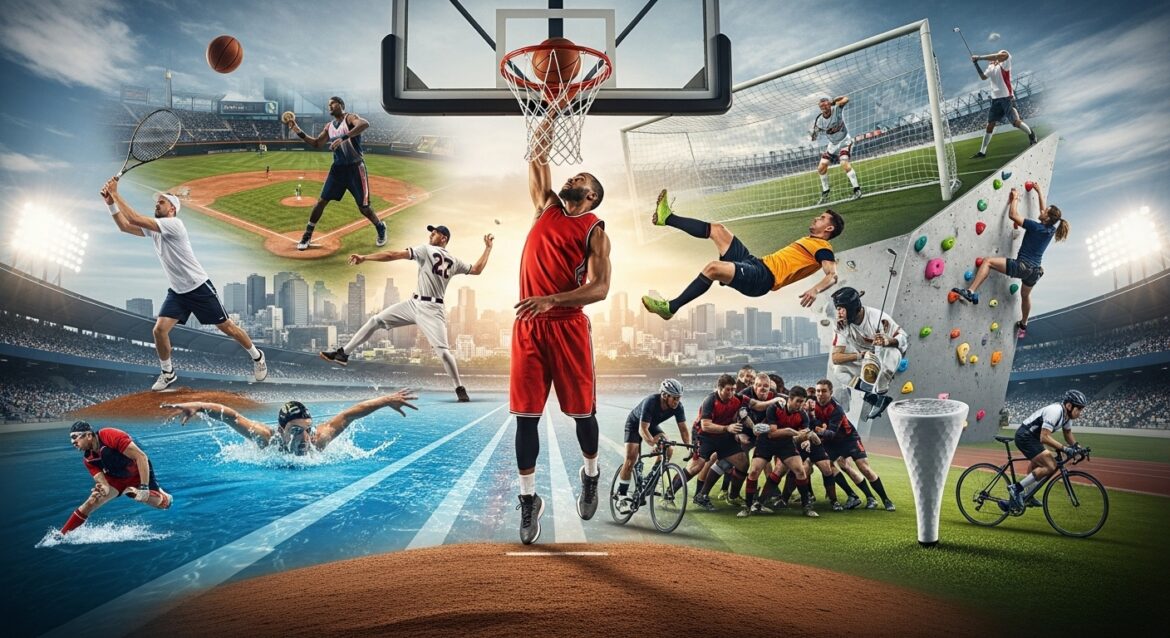
Sports have been an integral part of human civilization for centuries. From the earliest forms of physical competition in ancient societies to the high-tech, globally broadcast spectacles of today, sports have served as a reflection of culture, a tool for personal development, and a source of entertainment that unites people across borders. In this blog, we will explore the multifaceted world of sports, delving into its history, evolution, significance, and influence on society.
The Origins of Sports
Sports, in some form, have existed since humans first organized themselves into communities. Early evidence of sports can be traced back to ancient civilizations such as Mesopotamia, Egypt, Greece, and Rome. These societies recognized physical competition not only as a form of recreation but also as a way to train warriors, celebrate festivals, and honor deities.
The Olympic Games, which began in ancient Greece around 776 BC, are among the most famous early sporting events. They were held in Olympia to honor Zeus, the king of the Greek gods, and featured competitions such as running, wrestling, and chariot racing. Similarly, ancient Egyptians organized games that combined athletic skill with religious significance, often depicted in hieroglyphs and temple art.
Throughout history, sports have evolved from simple contests to complex organized events. Early sports were closely tied to societal needs, often focusing on strength, speed, and strategy. Over time, sports became more codified, with standardized rules, formal teams, and official governing bodies.
The Evolution of Modern Sports
The transition from ancient sports to modern organized sports was gradual and influenced by social, economic, and technological factors. In the 19th century, industrialization and urbanization created leisure time for large segments of society, fueling interest in recreational activities. Sports like football, cricket, and tennis began to take on formal structures, with clubs, leagues, and competitions emerging across Europe and North America.
The establishment of international competitions, such as the modern Olympic Games in 1896, further elevated sports to a global stage. Innovations in transportation and communication allowed teams to travel farther, and spectators to follow events more closely. Media coverage, first through newspapers and later through radio, television, and digital platforms, expanded the reach and influence of sports, making it a central part of popular culture.
Popular Sports Around the World
Today, the world enjoys a vast array of sports, each with its unique characteristics and cultural significance. Some of the most popular sports include:
Football (Soccer): Football is the world’s most widely played and watched sport. Its simplicity—requiring only a ball and a playing surface—makes it accessible to all. The FIFA World Cup, held every four years, is one of the most watched events globally, drawing billions of viewers. Football has the power to unite nations, inspire youth, and influence social and political issues.
Basketball: Invented in 1891 by Dr. James Naismith, basketball has grown into a global phenomenon. Known for its fast pace and dynamic gameplay, it has a massive following in countries like the United States, China, and the Philippines. The NBA, the premier professional basketball league, has helped globalize the sport, with players becoming international icons.
Cricket: Cricket has a rich history rooted in England, but it has spread to many parts of the world, especially South Asia, Australia, and the Caribbean. Known for its strategic depth and varying formats—from Test matches to Twenty20—cricket combines tradition with modern excitement. The ICC Cricket World Cup and T20 leagues attract massive audiences, reflecting the sport’s enduring appeal.
Tennis: Tennis is both a recreational and competitive sport that has produced legendary athletes like Roger Federer, Serena Williams, and Rafael Nadal. With Grand Slam tournaments such as Wimbledon, the US Open, and the French Open, tennis combines individual skill, endurance, and mental fortitude, captivating audiences worldwide.
Athletics: Athletics, encompassing running, jumping, and throwing events, is considered the foundation of sports. The Olympic Games showcase the pinnacle of athletic performance, celebrating human speed, strength, and endurance. Athletes like Usain Bolt, Carl Lewis, and Florence Griffith-Joyner have become icons of determination and excellence.
The Role of Sports in Society
Sports play a vital role in society, extending beyond entertainment. They promote physical health, mental well-being, and social cohesion. Participating in sports improves cardiovascular fitness, strength, coordination, and flexibility, contributing to a healthier population.
Mentally, sports cultivate discipline, focus, resilience, and teamwork. Athletes learn to handle pressure, overcome setbacks, and set and achieve goals—skills that are valuable both on and off the field. Sports also foster social inclusion, providing opportunities for people of different ages, genders, and backgrounds to interact, collaborate, and develop a sense of belonging.
Moreover, sports often serve as a platform for social change. Athletes have historically used their influence to address inequality, discrimination, and injustice. Icons like Muhammad Ali, Billie Jean King, and Colin Kaepernick have leveraged their sports careers to challenge societal norms and advocate for human rights.
Technological Advancements in Sports
Technology has transformed the way sports are played, watched, and analyzed. From equipment innovations to data analytics, technology has elevated both performance and viewer experience.
Equipment and Gear: Advances in materials have produced lighter, stronger, and safer sports equipment. Innovations like carbon fiber bicycles, high-tech running shoes, and aerodynamic swimsuits enhance performance while reducing the risk of injury.
Video Technology: Video replays, goal-line technology, and Hawk-Eye systems have improved fairness and accuracy in sports. These tools allow referees and officials to make more informed decisions, ensuring that outcomes reflect true performance.
Data Analytics: Performance analysis has become a cornerstone of professional sports. Coaches and analysts use data on player movements, stamina, and strategy to optimize training and game plans. This scientific approach helps athletes reach peak performance and provides fans with deeper insights into games.
Fan Engagement: Technology has revolutionized the fan experience. High-definition broadcasts, virtual reality, live streaming, and social media allow fans to follow events from anywhere in the world. Interactive platforms enable fans to engage with teams and players in unprecedented ways, strengthening the global sports community.
Women in Sports
The role of women in sports has evolved significantly over the past century. Historically marginalized and excluded from many competitions, women athletes have broken barriers and achieved remarkable success.
Today, women compete at the highest levels in almost every sport. Events like the FIFA Women’s World Cup, WNBA, and women’s tennis Grand Slams showcase incredible talent and dedication. Beyond professional achievements, women’s participation in sports promotes gender equality, empowers young girls, and challenges societal stereotypes.
Despite progress, challenges remain. Women athletes often face disparities in pay, media coverage, and sponsorship opportunities compared to their male counterparts. Addressing these issues is essential for creating an equitable sports landscape.
The Business of Sports
Sports are not only about passion and competition—they are also a global industry worth billions of dollars. Revenue streams include ticket sales, broadcasting rights, sponsorships, merchandise, and digital platforms. Major events such as the Olympics, FIFA World Cup, and Super Bowl generate enormous economic activity, influencing tourism, infrastructure, and local economies.
Professional leagues and franchises are also major business entities. Teams invest in player contracts, facilities, marketing, and fan engagement. Sports management, marketing, and analytics have emerged as specialized careers, reflecting the commercial significance of the industry.
Sports and Health
Physical activity through sports is vital for maintaining overall health. Regular participation reduces the risk of chronic diseases, enhances mental health, and improves quality of life. Sports encourage an active lifestyle, particularly among children and adolescents, promoting lifelong habits of fitness.
Additionally, sports can aid in rehabilitation and therapy. Adaptive sports programs provide opportunities for individuals with disabilities to engage in physical activity, fostering inclusion, independence, and confidence. Sports medicine has also become a critical field, focusing on injury prevention, recovery, and performance enhancement.
The Cultural Impact of Sports
Sports have a profound cultural influence, shaping identities, traditions, and national pride. Major sporting events bring communities together, transcending social, economic, and political divides. National teams often serve as symbols of unity, inspiring collective celebration and shared experiences.
Cultural rituals associated with sports—such as fan chants, mascots, and ceremonial openings—enhance the spectacle and reinforce a sense of belonging. Moreover, sports influence fashion, music, and media, permeating everyday life in ways that extend beyond the game itself.
Challenges in Modern Sports
Despite its many benefits, modern sports face challenges that require attention. Issues such as doping, corruption, match-fixing, and commercial pressures can undermine integrity and trust. Governing bodies, athletes, and fans must collaborate to promote fairness, transparency, and ethical standards.
Additionally, mental health concerns among athletes are increasingly recognized. The pressures of competition, public scrutiny, and performance expectations can lead to stress, anxiety, and burnout. Support systems, counseling, and awareness programs are essential for athlete well-being.
The Future of Sports
The future of sports is likely to be shaped by technological innovation, globalization, and social change. Emerging trends include virtual sports, e-sports, augmented reality experiences, and sustainable event management. These developments promise to expand participation, enhance entertainment, and address environmental and social responsibility.
Inclusivity and diversity will also play a critical role. Efforts to provide equal opportunities for women, disabled athletes, and underrepresented communities will help create a more accessible and representative sporting world.
Ultimately, the enduring appeal of sports lies in its universality. Regardless of nationality, language, or background, sports connect people through shared experiences, challenges, and triumphs. It is this human connection that ensures sports will remain a central part of society for generations to come.
Conclusion
Sports are more than games—they are a reflection of humanity’s drive, creativity, and resilience. They inspire, challenge, and unite, transcending boundaries and fostering a sense of global community. From the ancient arenas of Greece to modern stadiums filled with fans, the essence of sports remains the same: a celebration of human potential and the joy of competition.
In a rapidly changing world, sports continue to evolve, embracing technology, inclusivity, and innovation. Yet, the core values—fair play, teamwork, dedication, and perseverance—remain timeless. Whether you are an athlete, a fan, or simply someone who appreciates the spirit of competition, sports offer endless opportunities for growth, inspiration, and connection.