
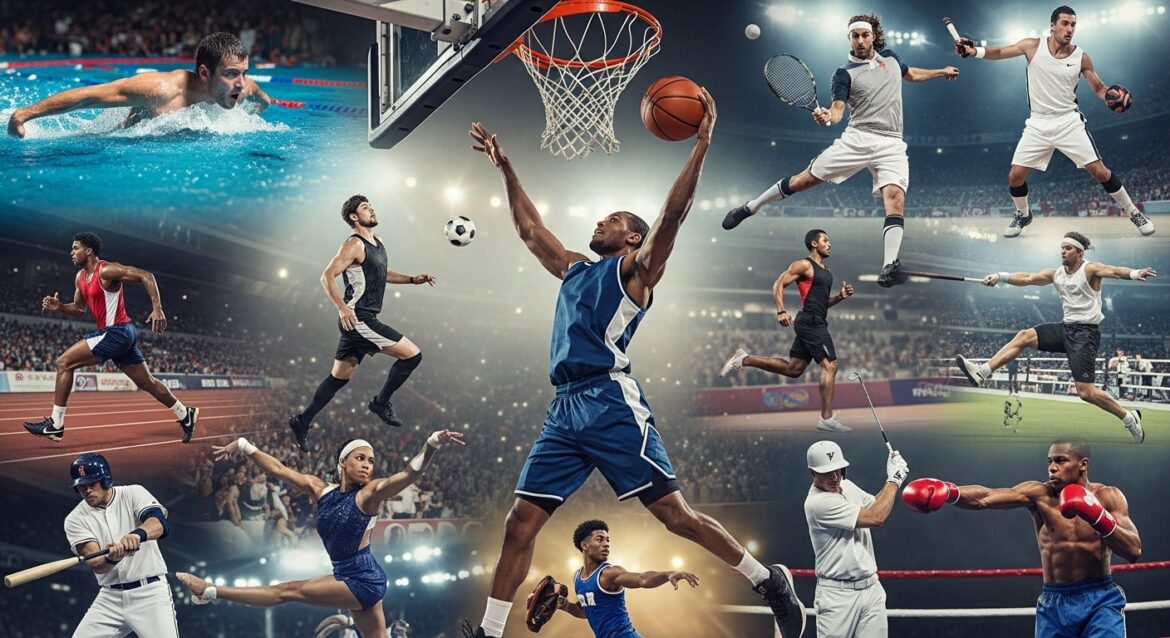
Sports have always been an integral part of human society. From ancient civilizations to the modern era, games and athletic endeavors have served as more than just a form of entertainment—they are a universal language that binds people, cultures, and nations together. Whether it’s a local soccer match or the grand spectacle of the Olympic Games, sports have an incredible power to inspire, unite, and transform lives. In this blog, we’ll explore how sports shape not just the individuals who participate but entire communities and societies.
The Universal Appeal of Sports
One of the most remarkable aspects of sports is their universal appeal. No matter where you are in the world, people of all ages and backgrounds play, watch, and celebrate sports. Sports transcend geographical, cultural, and even language barriers, making them a powerful tool for communication and connection. In a world that is often divided by politics, religion, and ideology, sports offer a space where differences can be put aside in favor of a shared love of competition and achievement.
The popularity of international events like the FIFA World Cup, the Olympics, and the Rugby World Cup are proof of this. These events bring people from diverse backgrounds together, not just as spectators, but as participants in a global celebration of human skill, effort, and spirit. The connection forged through the love of the game helps foster global understanding and camaraderie that might otherwise be hard to come by.
Health and Wellness: The Physical Benefits of Sports
The most obvious benefit of participating in sports is the physical health improvements it offers. Regular physical activity is a cornerstone of good health, and sports provide an enjoyable and often social way to stay fit. Playing sports helps reduce the risk of chronic diseases like heart disease, diabetes, and obesity, while simultaneously improving cardiovascular health, muscle strength, and flexibility.
Sports also have a positive impact on mental health. The endorphins released during physical activity help alleviate stress, anxiety, and depression. The focus and discipline required in sports can be an excellent way to clear the mind, providing a temporary escape from daily stressors. Moreover, for many, sports create a sense of belonging and camaraderie, which contributes to emotional well-being. Whether you’re playing on a team or simply enjoying individual exercise, sports offer a positive outlet for mental and physical health.
The Role of Sports in Education and Personal Growth
Sports play a pivotal role in the educational development of children and young adults. Beyond physical health, sports teach valuable life skills such as discipline, time management, and goal setting. School sports programs provide children with opportunities to learn how to work with others, communicate effectively, and navigate success and failure.
Students who participate in sports often develop a strong sense of confidence and self-worth. The competitive nature of sports allows young athletes to challenge themselves, set personal goals, and feel the satisfaction of achieving those goals through hard work and perseverance. These experiences build character and contribute to emotional intelligence, which are essential traits both in and out of the classroom.
Additionally, sports teach the importance of failure and resilience. In any game, there are wins and losses, and athletes quickly learn to cope with both. The ability to handle setbacks, learn from mistakes, and stay motivated despite challenges is an invaluable lesson that transcends sports and applies to life in general. Sports help instill the mindset that failure is not permanent, but a stepping stone to improvement and success.
Teamwork and Leadership: The Building Blocks of Success
One of the most powerful aspects of sports is the opportunity to develop teamwork and leadership skills. Whether playing as part of a team or participating in individual sports, athletes must work together toward a common goal. Even in individual sports like tennis or track and field, athletes rely on coaches, teammates, and support networks to reach their full potential.
In team sports, athletes learn the importance of collaboration, communication, and mutual respect. Successful teams are built on trust and understanding, and athletes must be willing to put the needs of the team ahead of personal achievement. This fosters a sense of community, where every member’s contribution is valued and the success of the group is celebrated as a collective accomplishment.
Leadership is also a critical component of sports. Whether it’s a team captain motivating players or an athlete pushing themselves to lead by example, sports provide a platform for developing leadership qualities. These qualities are transferable to all areas of life, from the workplace to personal relationships, where the ability to inspire, guide, and support others is essential.
The Global Impact of Major Sporting Events
Some sports events transcend the realm of competition and become global cultural phenomena. The Olympics, the FIFA World Cup, and the Super Bowl, for example, are not just about the athletes—they are celebrations of national pride, international unity, and the spirit of competition. These events unite millions of people across the globe, regardless of their nationality or background, as they come together to celebrate excellence in sport.
Major sporting events also have a significant economic impact. They bring tourism, create jobs, and stimulate local economies. Cities and nations bid for the privilege of hosting these events, knowing that they can reap the benefits of global exposure. Additionally, the media coverage of these events provides a platform for athletes and teams to inspire others, showcase new talents, and raise awareness about important social issues.
Sports are an essential vehicle for promoting social causes as well. Events like the 1968 Olympics, where Tommie Smith and John Carlos raised their fists in protest of racial injustice, show how sports can be used as a platform for activism. The actions of athletes can ignite change, spark important conversations, and bring awareness to causes that need attention.
Sports and Social Cohesion: Uniting Communities
The power of sports to unite individuals and communities cannot be overstated. Sports have a unique ability to bring together people from all walks of life, fostering a sense of belonging and shared purpose. Local sports teams, whether professional or amateur, become a focal point for communities. They create a sense of pride and identity, with fans rallying behind their teams, whether in victory or defeat.
Local sports leagues and community programs also provide opportunities for people to connect, socialize, and engage in healthy activities. These interactions strengthen community bonds, create support networks, and promote physical and emotional well-being. For young people, sports provide an alternative to negative influences, offering them a structured environment in which they can grow and thrive.
Moreover, sports have the ability to bridge divides. In cities and regions where tensions exist—whether racial, economic, or cultural—sports can offer a space where these divides are forgotten, at least temporarily. In many cases, the collective experience of supporting a team or an athlete becomes a unifying force that fosters peace and cooperation.
Technology’s Role in Sports: Innovation and Performance Enhancement
Technology has revolutionized the way sports are played, viewed, and analyzed. Wearable devices track athletes’ performance, measuring everything from heart rate to movement efficiency. Virtual reality (VR) is being used to simulate game scenarios and improve training, while smart equipment offers insights into players’ techniques, helping them to fine-tune their skills.
For fans, technology has enhanced the way we watch and interact with sports. High-definition broadcasts, instant replays, and interactive apps make the viewing experience more immersive than ever before. The rise of esports, where gamers compete in professional tournaments, shows how technology is shaping the future of sports, providing new opportunities for competition and entertainment.
While technology has undoubtedly improved athletic performance, it has also raised ethical questions. The use of performance-enhancing drugs (PEDs) and the advancement of equipment that can give athletes an unfair advantage have sparked debates about fairness in sports. Maintaining the integrity of sports while embracing technological advancements remains a challenge for governing bodies and stakeholders alike.
The Future of Sports: Embracing Change
As we look to the future, sports will continue to evolve. The growth of esports, the increasing use of AI in performance analysis, and the development of new formats like virtual sports leagues all point to a changing landscape. However, despite the many technological advancements, the core values of sports—discipline, hard work, teamwork, and perseverance—remain timeless.
Moreover, as sports become more inclusive and diverse, we will continue to see more opportunities for athletes of all backgrounds to shine. Gender equality in sports is gaining momentum, with more women achieving recognition and success in previously male-dominated sports. The push for more accessibility for athletes with disabilities is also helping to broaden the scope of sports participation.
Sports will always be a reflection of society—evolving with technological advancements, cultural shifts, and new social norms. What remains unchanged is their ability to inspire, unite, and transform lives. Whether you are an athlete, a fan, or a spectator, sports will continue to be a driving force in bringing us together, making us better, and helping us realize our full potential.