
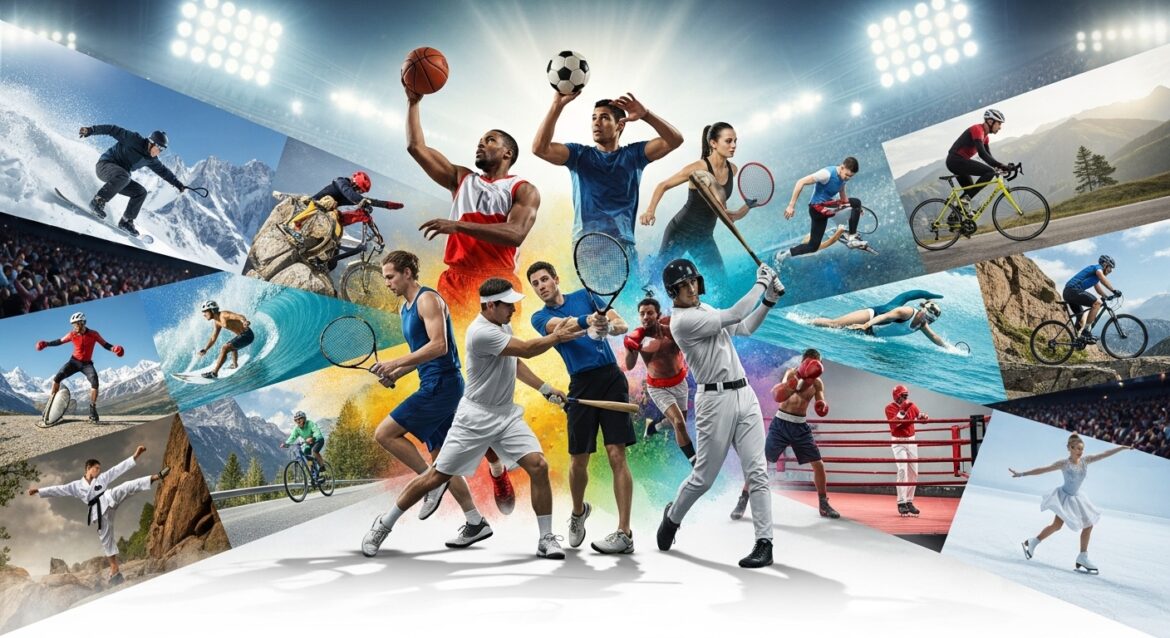
Introduction: The Universal Language of Sports
Sports have always been more than just a form of entertainment. Across cultures and generations, they serve as a universal language that unites people, inspires passion, and teaches essential life skills. From traditional games played in villages to international competitions watched by millions, sports play a crucial role in society. They foster teamwork, discipline, perseverance, and resilience, qualities that extend beyond the field or court. Whether played professionally or recreationally, sports reflect human ambition, creativity, and the drive to achieve excellence.
The Evolution of Sports Through History
Sports have a rich history that spans thousands of years, evolving alongside human civilization. Ancient societies engaged in physical contests for leisure, training, and ritual purposes. The Olympic Games in ancient Greece celebrated both athleticism and cultural identity, emphasizing the importance of physical excellence and fair competition. Over time, sports became organized, codified, and more competitive, with rules, leagues, and tournaments. The invention of modern sports, including football, basketball, and cricket, brought standardized regulations and international competitions. This evolution demonstrates how sports have continuously adapted to societal changes while maintaining their core purpose: to challenge human ability and bring people together.
The Physical and Mental Benefits of Sports
Participation in sports provides significant physical and mental benefits. Physically, sports improve cardiovascular health, strength, flexibility, and coordination. They help prevent chronic illnesses, maintain healthy body weight, and promote longevity. Mentally, sports teach discipline, focus, and strategic thinking. Athletes develop resilience, learn to manage stress, and improve their decision-making skills under pressure. Team sports, in particular, foster collaboration, communication, and leadership abilities. The combination of physical exertion and mental challenge makes sports an essential tool for overall well-being, cultivating a balanced mind and body.
Sports as a Social Connector
One of the most powerful aspects of sports is their ability to connect people across boundaries. Stadiums, arenas, and local fields bring together fans, players, and communities, creating a sense of belonging and shared experience. Major sporting events, such as the FIFA World Cup, the Olympic Games, and the Super Bowl, transcend national and cultural differences, uniting audiences in celebration and excitement. Sports also provide opportunities for social interaction, mentorship, and community engagement. Through sports, individuals forge friendships, build networks, and strengthen community ties, demonstrating that athletic competition is as much about human connection as it is about winning.
The Role of Teamwork and Individual Achievement
Sports teach a delicate balance between teamwork and individual achievement. Team sports, such as football, basketball, and volleyball, require coordination, trust, and mutual support. Success depends on collective effort, strategy, and the ability to function as a cohesive unit. At the same time, individual sports, including tennis, athletics, and swimming, emphasize personal discipline, focus, and self-motivation. Both team and individual sports cultivate unique skills, yet they share the common goal of pushing participants to their limits and fostering personal growth. The interplay between individual excellence and collective performance highlights the multifaceted nature of sports.
Iconic Sports and Global Appeal
Certain sports have achieved global recognition due to their widespread participation and cultural significance. Football, for instance, captivates billions worldwide, with leagues and tournaments celebrated on every continent. Basketball and cricket similarly enjoy massive followings, with professional leagues, international competitions, and youth programs contributing to their popularity. Athletics, swimming, and gymnastics feature prominently in multi-sport events like the Olympics, showcasing human physical prowess on a global stage. The universal appeal of these sports lies in their accessibility, competitive excitement, and ability to inspire audiences through skill, strategy, and storytelling.
Sports and Technology
Technology has transformed the world of sports in numerous ways, enhancing both performance and spectator experience. Advanced equipment, wearable devices, and performance analytics allow athletes to monitor training, track progress, and optimize their abilities. Video review systems, instant replay, and digital scoring ensure fair play and improve officiating accuracy. Broadcasting innovations, including high-definition coverage, live streaming, and interactive graphics, enable fans to engage with sports like never before. Virtual reality and augmented reality are beginning to offer immersive viewing experiences, bringing audiences closer to the action. Technology has not only improved athletic performance but also revolutionized how fans experience and connect with sports.
The Economic and Cultural Impact of Sports
Sports have a profound impact on both the economy and culture. Professional leagues, tournaments, and sporting events generate billions in revenue, supporting employment, tourism, and local economies. Cities hosting major events, such as the Olympic Games or international championships, experience economic boosts and increased global visibility. Culturally, sports influence fashion, music, media, and social trends. Athletes become role models, inspiring youth and shaping societal values. Sports also reflect cultural identity, with certain games carrying historical, regional, or national significance. This dual impact underscores how sports function as both an economic driver and a cultural touchstone.
Challenges in Modern Sports
Despite their benefits, modern sports face challenges that must be addressed. Issues such as doping, corruption, and unethical practices undermine the integrity of competition. Injuries, mental health struggles, and performance pressure are prevalent among professional athletes. Gender inequality, lack of access to facilities, and financial barriers limit participation for certain groups. Additionally, commercial pressures and media influence can shift focus from sportsmanship to profit. Recognizing and addressing these challenges is essential to maintaining the values of fairness, integrity, and inclusivity in sports.
Sports and Education
Integrating sports into education provides both physical and cognitive benefits for students. School and college sports programs encourage physical fitness, teamwork, and discipline while offering pathways for scholarships and professional careers. Participation in sports teaches time management, leadership, and perseverance, skills that extend beyond academics. Educational institutions that promote sports also foster community engagement, inclusivity, and personal growth. By combining academic and athletic development, sports serve as a holistic tool for shaping well-rounded individuals.
The Future of Sports
The future of sports promises continued innovation, inclusivity, and global reach. Emerging technologies will enhance training, performance, and viewing experiences, while analytics and data-driven strategies will optimize athlete development. Virtual and augmented reality may transform how fans engage with sports, offering immersive and interactive experiences. Greater emphasis on inclusivity and accessibility will enable broader participation, empowering more people to experience the benefits of athletic activity. Globalization and media exposure will continue to make sports a unifying force, bridging cultures and fostering shared enthusiasm across nations.
Conclusion: The Enduring Power of Sports
Sports remain one of the most influential and inspiring aspects of human culture. They encourage physical fitness, mental resilience, teamwork, and personal growth while fostering community and global connection. From local playgrounds to international arenas, sports reflect the human spirit, drive for excellence, and desire to connect with others. They are a mirror of society, shaping culture, values, and shared experiences. As technology and innovation continue to shape the sporting world, the core essence of sports—the joy of participation, the thrill of competition, and the bond of community—will endure, inspiring generations to come.